For lighting importers, distributors, project buyers, and specifiers, COB vs SMD LED is not a question with one universal winner. COB offers higher power density, controlled beam and high power center intensity. SMD is easier to design for large uniform beam, which is spread over bigger emitting area. It is a mistake thinking that one package type is better than another in general. The properly designed SMD luminaire would outperform COB in terms of cooling, and the same applies to COB over SMD. The optical design, thermal solution, power supply, mounting conditions and the target application define the best technical solution.
Which COB vs SMD LED Design Gives Better Light Quality and Beam Control?
Start with the job the light must do. A retail spotlight and a flat office ceiling light may have the same wattage, but they need very different optical behavior.
Where Does COB Have an Optical Advantage?
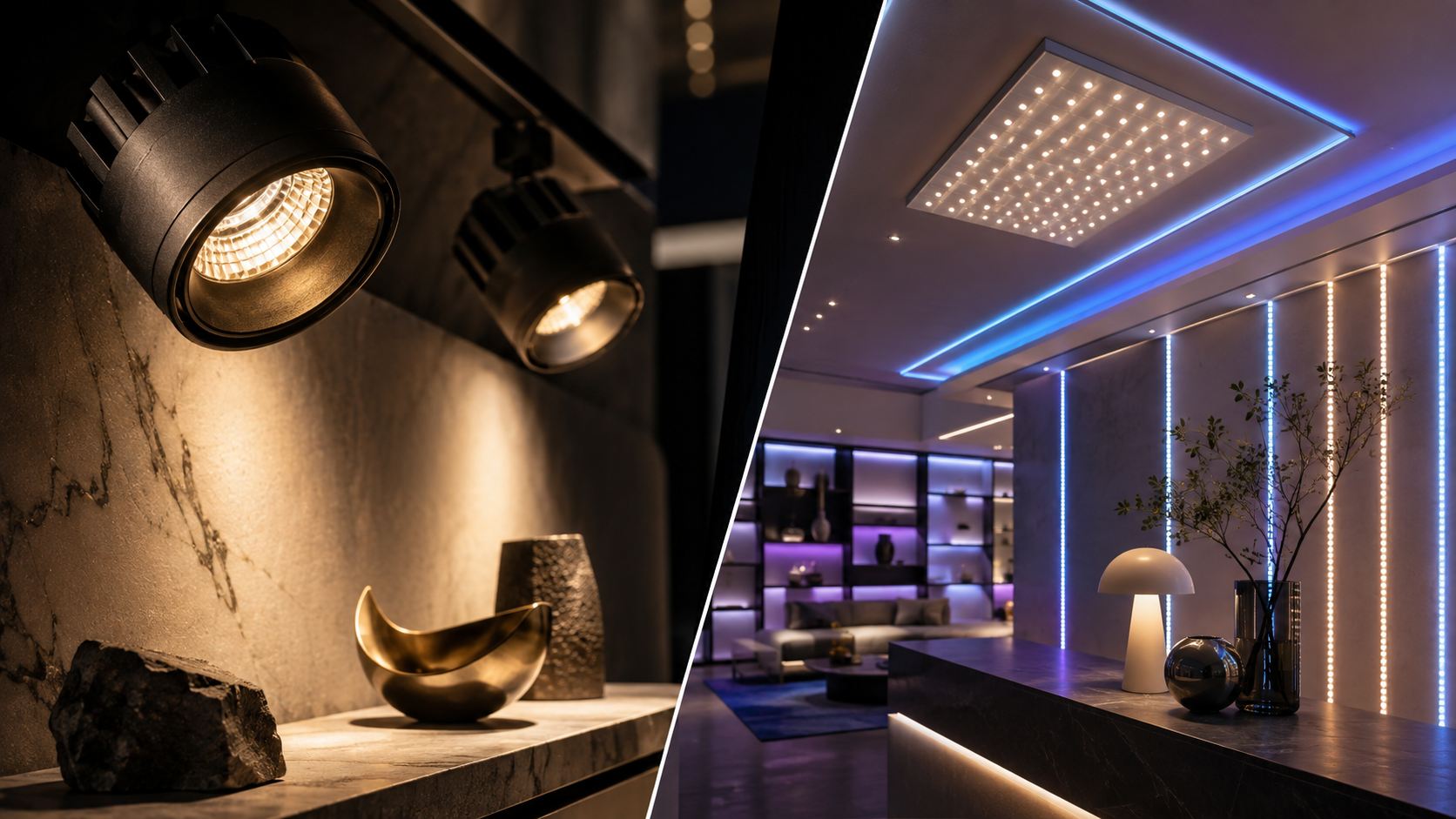
A COB source concentrates multiple LED dies within a relatively small light-emitting area. This compact source works naturally with reflectors and lenses designed for controlled beams.
For directional lighting, that can help designers create narrow or medium beam angles without relying on many separately visible light points. It may also reduce the multiple-shadow effect that can appear when several individual emitters illuminate the same object from slightly different positions.
For that reason, COB technology is commonly worth evaluating for spotlights, track lighting, retail accent lighting, hospitality lighting, and certain LED downlight designs.
However, COB itself does not guarantee a clean beam. Reflector geometry, lens quality, source position, fixture depth, and glare-control structure still determine what the user actually sees.
When Does SMD Provide Better Light Distribution?
SMD LEDs are discrete packaged light sources mounted on a circuit board. Because the manufacturer can spread out the packages to dissipate the heat generated by them, SMDs are great for producing large area illumination sources.
This is useful when illuminating a diffuse panel, light guide or large optical surface; rather than localize most of the light emitted by the LED (as would happen if one were to use a single package), the designer can spread out the emitters to get a more uniform illumination over a larger surface.
For buyers, the practical comparison is:
| Buying Factor | COB LED | SMD LED | What Buyers Should Verify |
|---|---|---|---|
| Light source | Compact emitting area | Distributed LED packages | LED package and PCB layout |
| Beam control | Strong fit for directional optics | Flexible for wider distribution | Beam angle and photometric data |
| Source appearance | More single-source-like | LED points may be visible | Diffuser and lens design |
| Thermal pattern | Heat concentrated in smaller area | Heat spread across PCB | Heat sink and board design |
| Fixture format | Suitable for compact directional fixtures | Suitable for flat or broad-area fixtures | Housing and optical structure |
| Color performance | Depends on selected LED | Depends on selected LED | CCT, CRI and color consistency |
The table should be treated as a starting point, not a final specification. Buyers should compare complete luminaires rather than assuming the LED package determines finished performance.
How Do COB and SMD Differ in Heat, Efficiency, and Service Life?
Package type does not determine service life by itself. Thermal design, drive current, ambient temperature, driver quality, and component selection usually matter more.
Why Is Thermal Management Critical for COB Fixtures?
A COB source can place substantial electrical and thermal load into a small physical area. Heat must move efficiently from the LED substrate through the thermal interface and into the fixture’s heat sink.
If that path is weak, junction temperature can rise.
Common causes include insufficient heatsink area, inadequate contact between components, improper thermal interface material, excessive drive current, and/or a housing that traps heat.That does not mean that COB LEDs are inherently unreliable; it means that the thermal structure must be considered as part of an integrated system rather than analyzing a lone component in isolation.
For procurement, useful questions include:
- What drive current is used in the finished fixture?
- How is the COB connected to the heat sink?
- What material is used for thermal transfer?
- Has the fixture been tested in its intended mounting position?
- What happens at the highest specified ambient temperature?
These questions tell buyers considerably more than a quotation that simply states “COB LED.”
Does SMD Automatically Mean Lower Operating Temperature?
No. An SMD board spreads packages across a larger PCB, which can distribute heat more evenly, but the heat still has to leave the board.
Dense LED spacing, unsuitable PCB construction, poor soldering, restricted airflow, or an enclosed fixture can still produce high operating temperatures. Driver heat may add another thermal load.
The same caution applies to efficacy. LED-package efficacy and finished-luminaire efficacy are not the same thing. Power is lost through drivers and optical components, while elevated temperature can also affect output.
Buyers should therefore request system wattage and delivered lumens, not only LED-chip specifications.
Which Technology Fits Downlights, Spotlights, Panels, and Ceiling Fixtures?
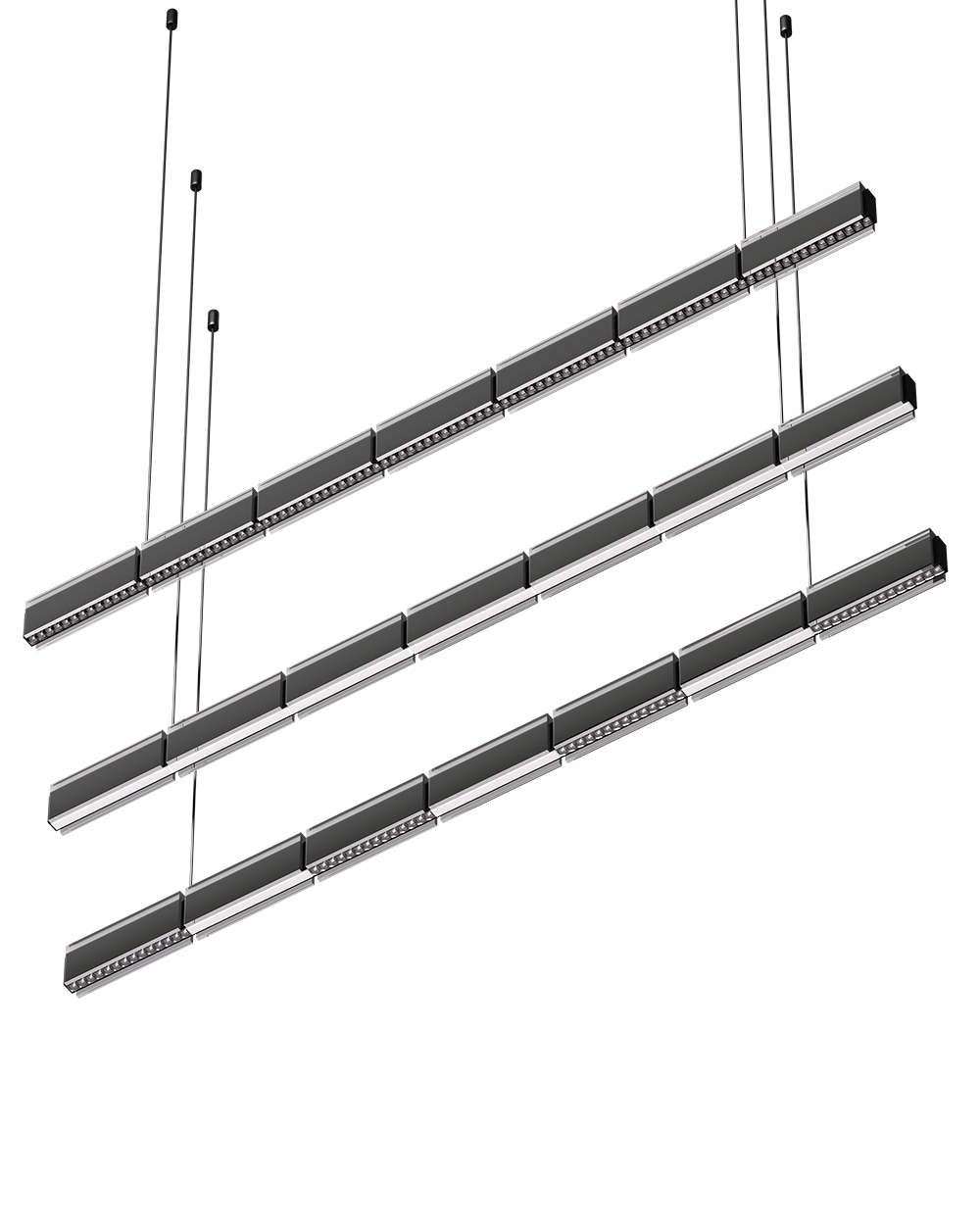
Application is a more useful starting point than asking which technology is “better.”
When Should Buyers Consider COB Lighting?
COB is often worth considering when the project needs a relatively controlled beam from a compact fixture.
Typical applications include:
- Retail accent lighting
- Track lights
- Gallery lighting
- Hotel feature lighting
- Directional downlights
- Display and merchandise lighting
In these cases, buyers should pay particular attention to beam angle, reflector design, center beam intensity, glare, cutoff angle, and color rendering.
A narrow beam is not automatically better. For example, an accent fixture installed at a greater ceiling height may require enough center intensity to reach the target surface, while a low-mounted fixture may need a wider distribution to avoid obvious bright spots.
When Is SMD More Practical?
SMD is frequently suitable when the fixture needs to distribute light across a broader area. Typical examples include ambient ceiling lights, flat fixtures, linear lighting, and some panel-style luminaires.
The distributed layout can work effectively behind diffusers because the design does not rely on one compact optical source.
Yet the buyer still needs to inspect source visibility. Poor package spacing or insufficient diffusion can leave visible bright points across the luminous surface.
That is why evaluating a real fixture matters. When reviewing a specific product such as the Luna ceiling light, ask about the LED package, board arrangement, optical structure, driver, heat dissipation, and finished light distribution rather than assuming performance from the housing appearance.
Color temperature must also be selected separately from package technology. Project buyers deciding between warm, neutral, and cooler light can refer to how to choose the right color temperature for LED lighting projects.
What Specifications Should Buyers Check Before Approving a COB or SMD Fixture?
A quotation that states only “20W COB downlight” or “24W SMD ceiling light” leaves too many variables uncontrolled.
Professional buyers need enough information to compare suppliers and reproduce the approved result during mass production.
Which Photometric and Electrical Parameters Matter?
At minimum, compare:
- System wattage
- Delivered luminous flux
- Luminaire efficacy
- CCT
- CRI
- Color consistency or binning information
- Beam angle
- Input voltage
- Driver type
- Dimming method, when required
- Power factor, where relevant to the project
- IP rating for applicable environments
Two fixtures with the same wattage can deliver very different useful light. Likewise, two products using the same LED package may behave differently once the driver, optics, diffuser, and thermal structure are added.
What Should Be Checked During Sample Approval?
A sample should not be approved from a specification sheet alone.
Operate the luminaire under realistic conditions and check:
- Beam shape and edge quality
- Glare from normal viewing positions
- Visible LED dots
- Color consistency between multiple samples
- Shadows on illuminated objects
- Low-level dimming behavior
- Flicker or unstable operation
- Heat-sink temperature after extended operation
- Driver noise
- Installation convenience
For projects where appearance matters, install several samples together. Differences that seem minor on a laboratory bench can become obvious when ten or twenty luminaires are placed in the same room.
After approval, retain the approved sample together with the specification, BOM reference, labeling requirements, and inspection criteria.
How Should Buyers Evaluate a Supplier When LED Package Technology Matters?
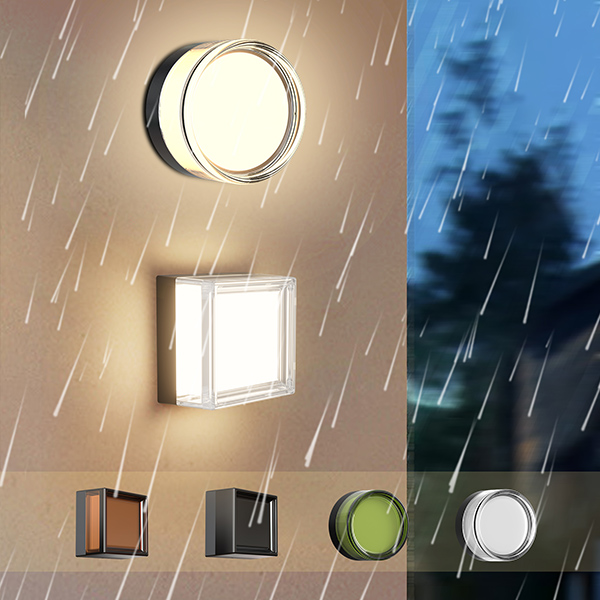
The supplier should be able to explain why COB or SMD was selected for a particular fixture.
“COB is brighter” or “SMD lasts longer” is not a sufficient technical explanation.
What Questions Should Be Asked Before Placing an Order?
Ask the supplier to identify:
- LED manufacturer and package
- PCB configuration
- Driver manufacturer or specification
- Optical system
- Heat-sink construction
- Rated input voltage
- Dimming compatibility
- CCT and CRI options
- Beam-angle options
- Applicable certification documents
- Inspection procedure
- Component substitution policy
The last point is easy to overlook. A sample may perform correctly, but later production can change if the LED package, driver, PCB, diffuser, or thermal material is substituted.
For repeat orders, the quotation or technical agreement should define which components cannot be changed without buyer approval.
How Should Compliance Affect Component Selection?
LED technology is only one part of international purchasing. Electrical components, drivers, wiring, insulation, housing construction, labeling, and market-specific requirements can all affect product compliance.
If a project is being sourced for Europe or North America, documentation should therefore be discussed before mass production rather than after goods are completed.
Buyers working across different markets can also review the LED Lighting Certification Guide 2026 when preparing supplier questions about CE, RoHS, ERP, ETL, DLC, and related requirements.
How Can Lionway Electronics Support a COB vs SMD Lighting Project?
Lionway Electronics Co., Limited. is an LED lighting supplier involved in lighting design, mold development, product manufacturing, and project support. Its product development capabilities can help buyers discuss fixture structure, optical requirements, thermal management, driver matching, sample evaluation, and production specifications before an order is confirmed. For a COB vs SMD project, the useful starting point is the required lighting result rather than a preferred LED package. Buyers can provide installation conditions, target output, beam requirements, CCT, CRI, voltage, dimming method, quantity, and destination market, then compare suitable fixture configurations. Before mass production, the exact LED package, approved BOM, compliance documents, inspection criteria, and component-change requirements should be confirmed.
Conclusion
The COB vs SMD LED decision should follow the lighting task. COB may be considered a good option for creating compact directional luminaires requiring tight beam control while SMD offers advantages in case of luminaires providing wide flood lighting or having a low profile design. In turn, neither of the technologies is intrinsically better in terms of efficacy, longevity, or color rendition.Compare the finished luminaire, approve a real sample, lock critical components, and document inspection requirements. For project sourcing, contact the lighting team with your application conditions and required specifications.
FAQs
1. Is COB vs SMD LED better for commercial lighting?
Neither is universally better. COB often suits directional commercial lighting, while SMD is widely used for diffuse illumination. Buyers should compare complete fixture performance, optics, thermal design, driver quality, and installation requirements.
2. Is COB LED brighter than SMD LED?
Not automatically. Brightness depends on LED specification, drive current, fixture wattage, optics, thermal conditions, and system efficiency. Compare delivered lumens and photometric performance instead of judging brightness by package type.
3. Which LED technology is better for downlights?
COB is frequently considered when a downlight needs a compact source and controlled beam. SMD can suit wider distributions. Beam angle, glare control, fixture depth, output, and thermal design should determine the selection.
4. Does SMD LED last longer than COB LED?
Package type alone does not determine lifetime. Junction temperature, drive current, PCB or heat-sink design, driver reliability, ambient conditions, and manufacturing quality all affect lumen maintenance and long-term failure risk.
5. What should I ask an LED supplier before choosing COB or SMD?
Request LED package details, system lumens, wattage, CCT, CRI, beam angle, driver specifications, thermal information, photometric data, certifications, sample approval procedures, BOM consistency, and the supplier’s component-change policy.