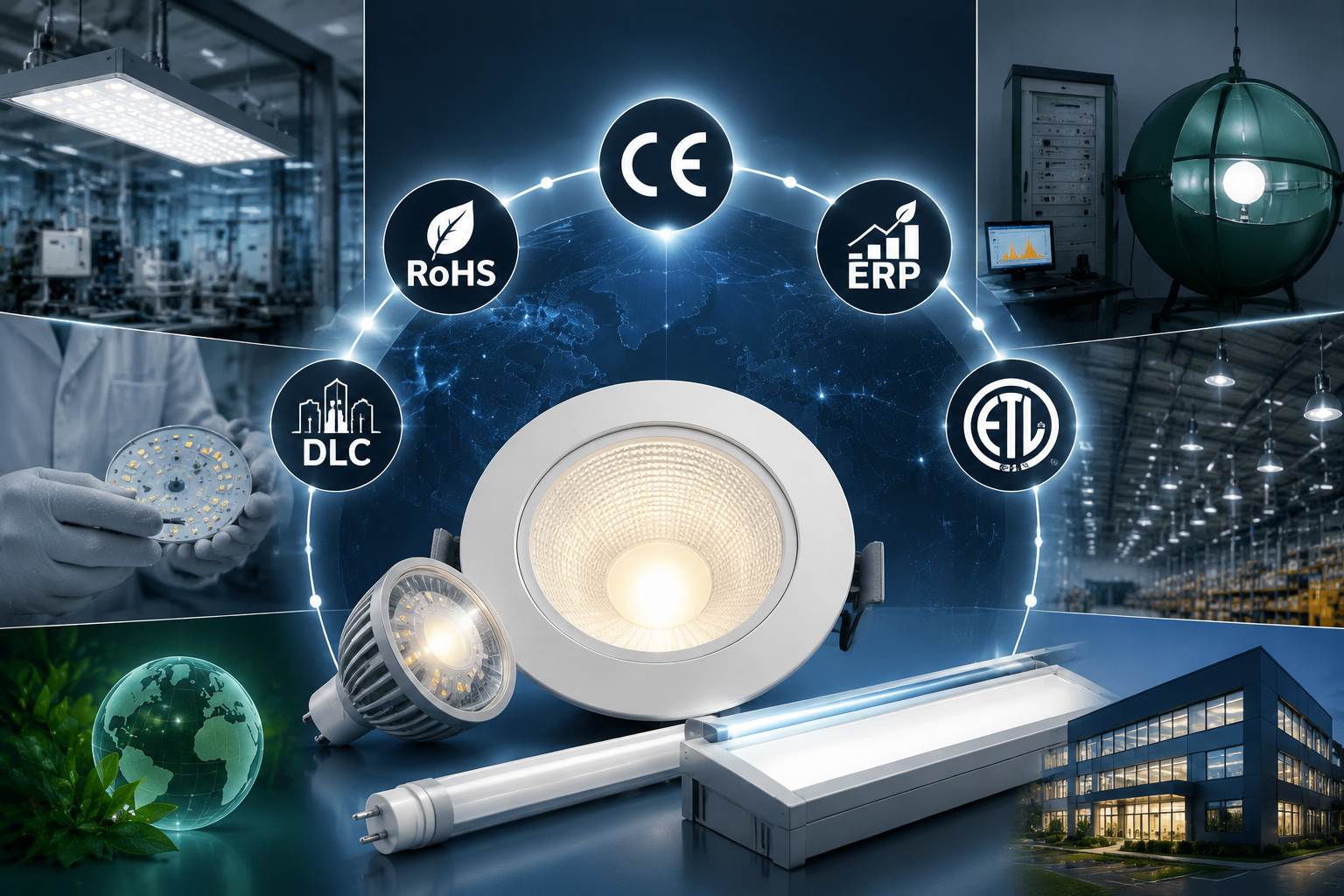
When buying LED lighting for international markets, many companies focus first on price, design, and technical specifications. Certification is often discussed later, usually when products are ready for shipment or project approval. That timing can create problems. A lighting product may look suitable during quotation, but missing documents, incorrect certification details, or changes in components can affect delivery and acceptance. For importers, distributors, contractors, and brand owners, LED lighting certification is part of supplier evaluation, not just a paperwork requirement.
Why do LED lighting certification requirements need careful review?
The certification process can seem straightforward until buyers start comparing different markets. The same LED product may require different documents depending on where it will be sold and how it will be used.
Why do experienced buyers check certificates before confirming orders?
One common issue in international sourcing is receiving documents that do not fully match the purchased product. This can happen when a supplier changes a driver, adjusts the electrical design, or offers several similar models under one certificate.
During supplier communication, professional buyers usually compare the certificate information with the actual product details. Model number, input voltage, driver type, and product category are often checked together.
This step is especially relevant for bulk purchasing. Finding a compliance problem after production has finished may create extra costs and delay delivery schedules.
How should companies look at LED lighting standards?
LED lighting standards cover different areas of product requirements. Some focus on safety, some relate to materials, and others evaluate energy performance.
A certificate does not automatically mean a product fits every market. A commercial lighting contractor and an online retailer may have different expectations, even when purchasing similar products.
For this reason, buyers usually start with the target market and application, then determine which requirements apply.
What do CE, RoHS, and ERP mean for LED lighting certification in Europe?
European LED lighting projects often involve several compliance requirements. CE, RoHS, and ERP are frequently mentioned together, but they solve different problems.
How does LED light CE certification apply to European products?
LED light CE certification is connected with products placed on the European market. It represents the manufacturer’s declaration that the product meets applicable EU requirements.
For LED lighting, this may involve areas such as electrical safety and electromagnetic compatibility. The exact requirements depend on the product design and applicable regulations.
For buyers, checking the supporting information is usually more useful than simply confirming that a CE mark exists. Product documentation should match the model being purchased.
Why do RoHS and ERP matter during LED product development?
RoHS relates to restrictions on certain hazardous substances used in electrical and electronic products. It mainly affects material and component selection.
ERP requirements focus on energy-related product performance. Depending on the product category, LED lighting may need to meet specific energy performance requirements.
These requirements can influence design decisions. A change in components during production may require additional review, so compliance is usually considered before manufacturing begins.
How do ETL and DLC certification affect LED lighting sales in the USA?
The US market has its own expectations for lighting products. Safety approval and energy performance are often reviewed separately.
Why is ETL certification considered by US lighting buyers?
ETL certification is associated with safety testing for products sold in North America. Many distributors, contractors, and project buyers consider it when evaluating lighting products.
A detail that is sometimes overlooked is whether the certification applies to the exact product version being purchased. Similar-looking fixtures may have different internal components and different compliance information.
Checking this point early can help avoid confusion during project review.
What should buyers know about ETL vs DLC certification for LED lighting?
ETL vs DLC certification for LED lighting is not a choice between two competing certificates. They address different concerns.
ETL mainly relates to safety evaluation, while DLC is connected with performance requirements often considered in commercial lighting applications.
For example, a project involving energy-saving goals may pay closer attention to DLC information, while another project may focus more on safety requirements. The correct requirement depends on the final application.
How can buyers determine LED lighting certification requirements for different markets?
The right certification path usually becomes clearer after the product destination and usage are confirmed.
What should European buyers confirm before importing LED lights?
Companies selling LED lighting in Europe usually review whether the product information matches relevant CE, RoHS, and ERP requirements.
A practical review includes checking technical documents, product models, and any changes made during production.
This is particularly important for customized lighting because modifications to housing, drivers, or electrical parts may affect the original compliance information.
What should US distributors and contractors review?
US buyers often need to consider the final installation environment. A lighting product used in a commercial building may have different expectations from one sold directly to consumers.
Discussing project requirements with suppliers before production can make the approval process smoother.
How should companies evaluate LED lighting suppliers?
Certification documents are important, but they are only one part of supplier selection. Production control and communication also affect the final purchasing result.
What information should suppliers provide?
During supplier evaluation, buyers often request product specifications, certification documents, test information, and installation details.
The purpose is not collecting documents for their own sake. These materials help confirm that the quoted product, tested product, and delivered product are the same.
For larger projects, clear technical communication can prevent problems caused by unexpected product changes.
Why are samples and inspections still necessary after certification?
Certification cannot show every detail of daily product performance. Buyers may still need to review factors such as driver quality, heat dissipation design, light consistency, and assembly condition.
Sample approval before mass production gives companies an opportunity to identify issues before large quantities are manufactured.
How can Lionway Electronics support customers looking for LED lighting solutions?
Lionway Electronics provides LED Lights solutions for customers serving different markets and applications. The company supports buyers with product information, certification communication, customization discussions, and manufacturing coordination. For businesses sourcing LED lighting products, supplier selection should still include a review of specifications, compliance documents, pricing, delivery terms, and service support before cooperation.
Conclusion
LED lighting certification requirements depend on the destination market, product type, and project conditions. CE, RoHS, ERP, ETL, and DLC each focus on different compliance areas and should be evaluated separately. Buyers can reduce purchasing risks by reviewing documents early and confirming product details with suppliers. Certification is important, but product consistency and technical support also affect long-term results. Choosing suitable LED lighting requires matching compliance requirements with real application needs.
FAQs
1. What certifications are required for LED lights?
Required certifications depend on the target market and application. European products may involve CE, RoHS, and ERP requirements, while US projects may require certifications such as ETL.
2. What is LED light CE certification?
LED light CE certification relates to compliance with applicable European market requirements. Buyers should check supporting documents for the specific product model.
3. What is the difference between ETL and DLC certification for LED lighting?
ETL mainly focuses on safety testing, while DLC relates to performance requirements used in certain commercial lighting applications.
4. Why do LED lighting standards matter for buyers?
LED lighting standards help buyers review safety, performance, and market requirements before purchasing products.
5. How can buyers verify LED lighting certification documents?
Buyers can compare model numbers, technical documents, testing information, and certification details with the actual product being ordered.