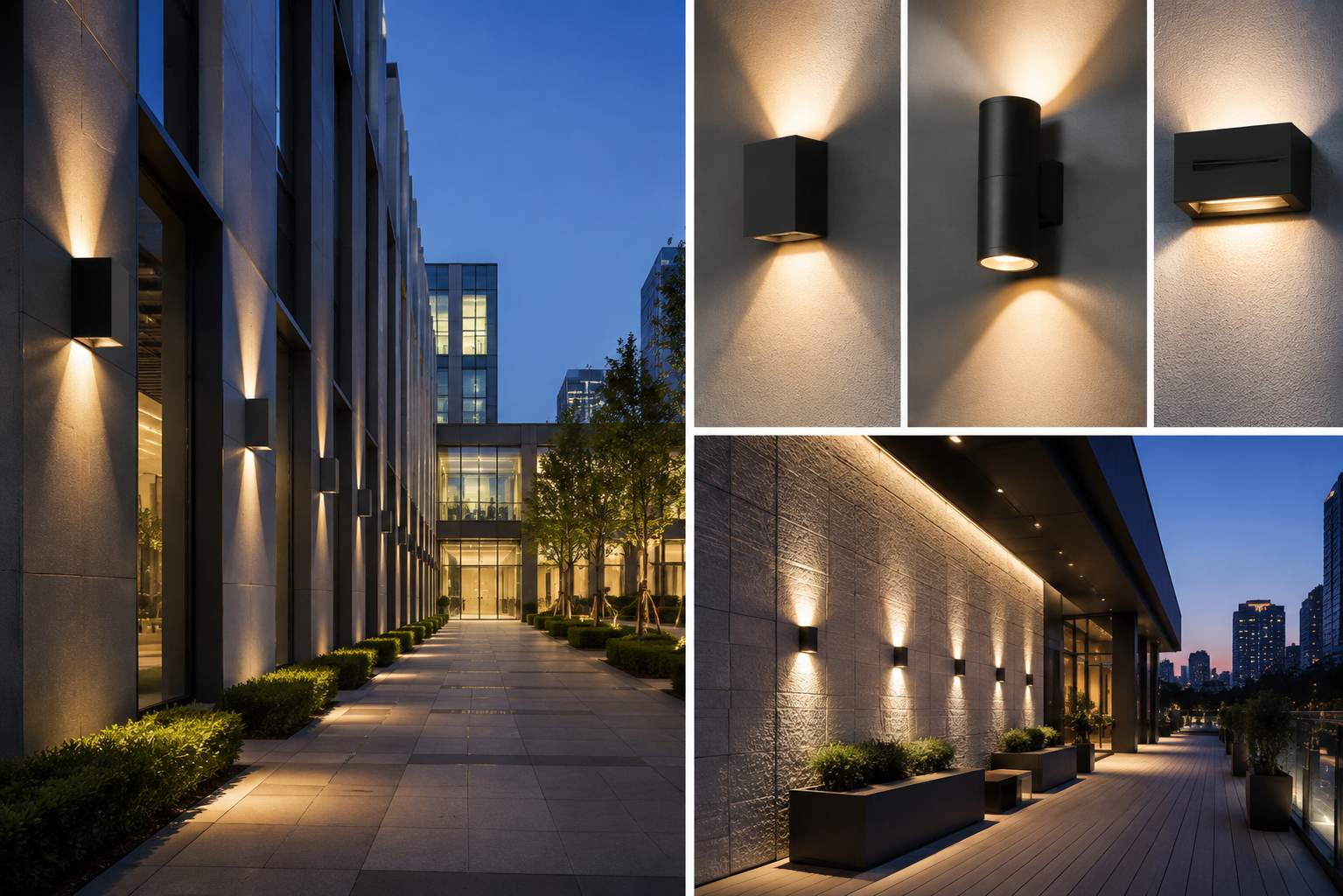
LED Wall Lights can provide lighting solutions for ambient lighting, wayfinding, task lighting, and architectural accenting while keeping the floor space free. However, for commercial buyers, lighting’s appearance is only the beginning. Fixtures that look good on paper can cause glare, imbalance in the brightness of the walls, improper installation, and hard-to-maintain systems once installed. A safer way is to establish the lighting need and specify optical performance, color rendering, mounting options, electrical details, finish, and service requirements. For Distributors, Contractors, Specifiers, and those in the purchasing departments, these specifications help LED Wall Light buying become much easier.
Which Type of LED Wall Light Fits the Commercial Space?
The right wall light depends on what people need to see, where they will view the fixture, and what surface it must illuminate. Style matters, but it should follow the lighting function.
Is the Fixture for Ambient, Task, Accent, or Wayfinding Light?
A hotel corridor usually needs comfortable distribution and consistent wall brightness. A bedside fixture may need directional control. Retail and hospitality projects may use wall lights to reveal artwork, signage, merchandise, or textured surfaces.
Do not compare products by wattage alone. Request beam information or photometric data because fixtures with similar power can distribute light very differently.
| Application | Main Priority | What to Check |
|---|---|---|
| Hotel corridor | Comfort | glare, CCT, spacing |
| Bedside area | Directional light | adjustability, switching |
| Retail display | Visual emphasis | beam angle, CRI |
| Office circulation | Guidance | output, maintenance |
| Exterior wall | Durability | IP rating, sealing |
Buyers comparing styles can review the wall lamp collection, then narrow the choice according to mounting height, wall material, and required distribution.
Does the Environment Change the Specification?
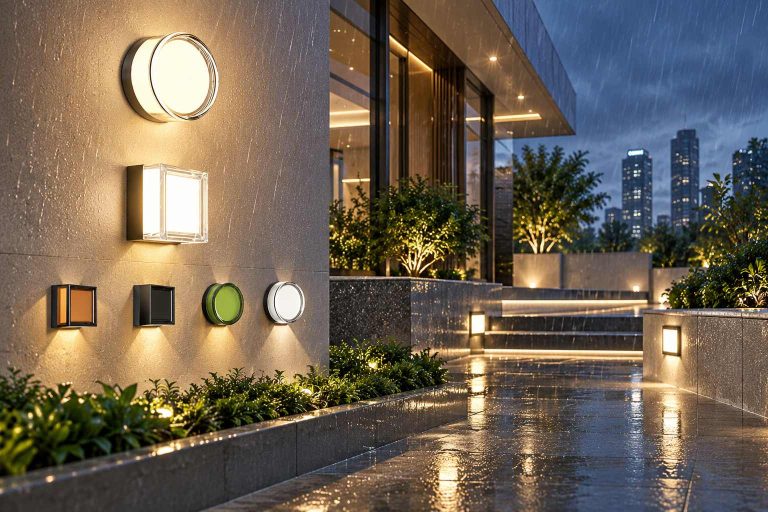
Yes. Interior decorative lighting and exterior wall lighting should not share the same assumptions. Moisture, dust, cleaning chemicals, temperature swings, and direct rain can affect housings, gaskets, fasteners, coatings, and drivers.
For exposed locations, confirm the declared IP rating and the installation method. Poor cable entry or an unsealed junction can undermine an otherwise suitable enclosure.
Which Optical and Color Specifications Matter Most?
After choosing the application, define how the light should appear on the wall and in the viewer’s field of vision. This is where a visually attractive sample can still fail.
How Should Buyers Judge Beam Distribution and Glare?
Wall lights are often close to eye level, so glare control deserves more attention than headline lumen output. Check whether the LED source is directly visible from normal walking or seated positions. Diffusers, shielding, reflectors, side-light structures, and adjustable heads can all change visual comfort.
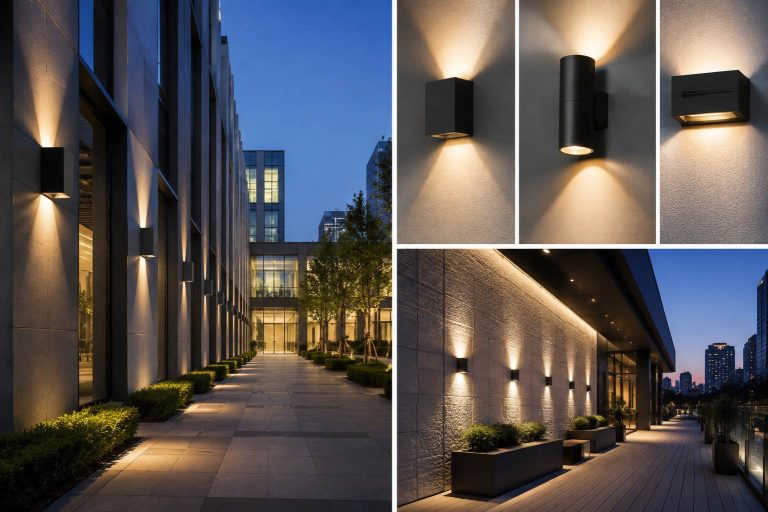
For up/down fixtures, inspect beam symmetry and edge quality. For adjustable lamps, make sure the aiming mechanism holds position after repeated movement. Test the sample on the project’s actual wall finish, since plaster, stone, glass, wood, and tile reflect light differently.
How Much Do CCT, CRI, and Color Consistency Matter?
CCT should fit both the activity and material palette. CRI becomes especially important when wall lights illuminate faces, merchandise, food, artwork, or decorative finishes. In projects with many visible fixtures, color consistency should also be specified rather than accepting vague labels such as “warm white.”
For a fuller project-level check, see the guide to choosing color temperature for LED lighting projects.
What Electrical and Installation Details Should Be Locked Before Ordering?
Installation problems often cost more than differences in unit price. Electrical and mechanical details should therefore be agreed before the purchase order is released.
Which Electrical Specifications Belong in the Approval File?
Record input voltage, system wattage, dimming method, driver information where available, and any required control interface. If the project uses TRIAC, 0-10V, DALI, sensors, or another control system, test the sample with the actual control equipment planned for the site.
Also check low-level dimming. Some combinations may show flicker, stepping, delayed start, or drop-out even when they operate normally at full output.
Which Mounting Details Are Easy to Miss?
Confirm the mounting plate, junction-box compatibility, screw spacing, cable entry, fixture depth, orientation, wall material, and access to the driver or terminal block. Heavier decorative fixtures may need additional structural support.
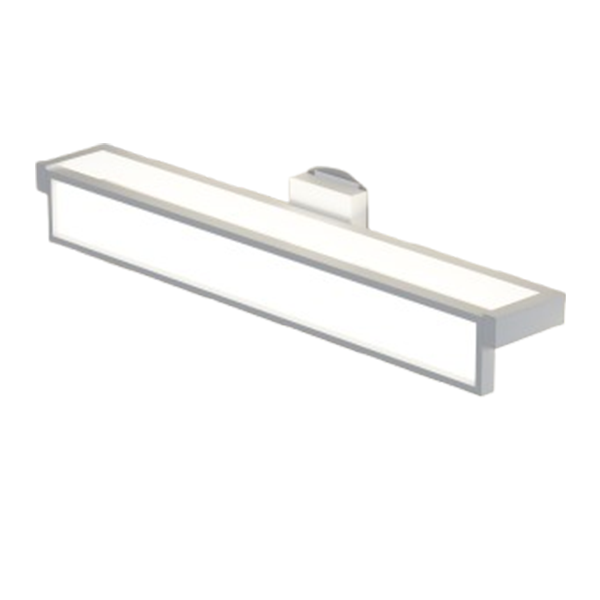
For adjustable applications, the Genius Series LED Wall Lamp is a useful design reference. Its official product page describes adjustable light direction, low-UGR design, and side-light LGP technology for a slim, soft-light structure.
How Should Buyers Evaluate Durability, Maintenance, and Long-Term Consistency?
Commercial lighting stays in service long after installation, so buyers should look beyond the first shipment. Materials, service access, and replacement consistency affect the real operating cost.
Which Materials and Finishes Should Procurement Teams Inspect?
Ask what the housing, diffuser, lens, fasteners, mounting plate, and heat dissipation elements are made from. Check painted or plated finishes for color or gloss variations that can be seen on a large installation.
Exterior projects require extra attention to corrosion resistance, sealing, drainage, and the materials of construction. Interior hospitality projects may benefit from enhanced scratch resistance, ease of cleaning, and decorative finish integrity.
The broader shift toward repairability and application-specific purchasing is also covered in the 2026 LED lighting trends guide.
What Should Be Planned for Maintenance?
Buyers should know how the fixture opens, whether the driver is accessible, whether serviceable parts are available, and how decorative surfaces should be cleaned. For repeat orders, retain an approved sample and record the finish, LED source or module, driver, optics, CCT, and key dimensions.
The same model name is not enough if internal components change. Replacement planning should be part of approval, not an afterthought at handover.
What Should Procurement Teams Ask Suppliers Before Mass Production?
Supplier evaluation should turn one approved sample into a repeatable production standard. The main objective is to prevent unexpected substitutions, color differences, installation changes, or missing documents.
What Belongs on the Pre-Production Checklist?
Before mass production, confirm the approved sample, drawings, fixture dimensions, mounting details, LED source, driver, optics, finish, CCT, CRI, output, dimming method, IP rating where applicable, packaging, labels, and inspection tolerances.
The supplier should also explain how appearance, electrical function, assembly, and final inspection are checked. Avoid accepting “high quality” as a specification when measurable requirements can be written into the order.
How Should Component Changes Be Controlled?
Require notice before changes to the LED package, driver, PCB, diffuser, lens, connector, coating, or mounting hardware. A substitute can affect color, dimming, beam shape, thermal behavior, or installation even when its headline specifications look similar.
For phased developments and repeat orders, written change control gives the buyer a chance to review a new sample before a revised component reaches the job site.
How Can Lionway Electronics Support Commercial Wall Light Projects?
Lionway Electronics Co., Limited. states that it has focused on LED lighting since 2008. Its website describes capabilities in lighting design, mold development, product manufacturing, optical-laboratory work, and professional testing equipment. For commercial wall light projects, these capabilities can support discussions about fixture structure, optics, mounting, finish, driver matching, sample review, and project-specific requirements before production. Buyers can compare wall lamp categories and specific series, then define the performance and documentation needed for their market. The final purchase specification should still identify the approved sample, key component requirements, tolerances, packaging, inspection points, and written change-control expectations. Early sample and drawing reviews can also help buyers catch installation conflicts before mass production.
Conclusion
When choosing LED wall lights for commercial purposes, the nuance of the most attractive fixture is not so important. The main thing is to establish the requirements that must be met by these products. It is necessary to clarify the details: the type of lighting task, potential glare and its distribution, the desired correlated color temperature and color rendering index, specific mounting and driver needs, and the opportunity for maintenance. Then use samples and written specifications to keep production consistent. For a project review, contact the lighting team with the application, wall construction, voltage, control method, quantity, and target market.
FAQs
1. What Should Buyers Check First When Choosing LED Wall Lights for Commercial Projects?
Start with the application: ambient, task, accent, wayfinding, or exterior lighting. Then check beam distribution, glare, mounting position, CCT, CRI, electrical compatibility, maintenance access, and environmental exposure.
2. What IP Rating Is Suitable for an Outdoor LED Wall Light?
The required IP rating depends on rain exposure, dust, mounting position, local rules, and installation details. Buyers should confirm the declared rating and verify that cable entries and junction points maintain protection.
3. Is CRI Important for Commercial Wall Light Fixtures?
Yes, especially in hotels, retail stores, restaurants, galleries, and other spaces where skin tones, merchandise, food, artwork, or finishes must look natural. Specify CRI requirements together with CCT consistency.
4. What Should Be Tested on an LED Wall Light Sample?
Test beam shape, glare, color appearance, dimming, switching, mounting, driver behavior, finish consistency, heat management, and service access. Exterior samples should also be reviewed against the required environmental and sealing conditions.
5. How Can Buyers Keep Repeat Orders Visually Consistent?
Retain an approved sample and record the LED source, driver, optics, CCT, finish, dimensions, and key tolerances. Require written notification before component substitutions and review changed samples before approving later production.