

Purchasing LED lighting for the European market 2026 needs more than checking the specs of a lamp such as brightness, price and delivery time. For importers, distributors, contractors and brand owners it is important to verify the EU lighting regulations and other relevant product documentation such as energy performance in order to verify the supplier’s ability to comply. In the meantime sustainability rules are becoming more detailed and therefore the buyer of LED lighting needs to know how ESPR lighting requirements, EPREL registration and Ecodesign LED rules affect his choices for products and his sourcing strategy and the related risks for his business in the long run.
Why do EU lighting regulations matter for LED importers in 2026?
The requirements for lighting in Europe are increasingly turning their focus to energy efficiency, transparency of products on the market and the environmental impacts of said products. For importers it is therefore necessary to prepare for these requirements before placing the first purchase order, rather than after the goods have arrived.
How do EU lighting regulations affect LED product selection?
Imported LED products offered on the European market have to comply with certain specifications concerning aspects like energy efficiency, safety, labeling as well as required documentation. When placing such products on the market, importers must check if the products have been designed corresponding to the current requirements and if the supplier of the products has a complete technical file at his disposal.
A low purchase price can be offset by other expenses required to rework the product, to update the documentation, or to enter the market where the product is intended to be sold. Experienced buyers review information on compliance, technical specifications, packaging details, and delivery schedules all at once.
Why should buyers check compliance before ordering LED lights?
The compliance has often been taken too late within the procurement processes. Hence a supplier delivers a suitable electrical article, however, lacking the necessary documents to place the article on the market.
Check details such as product category, relevant laws, test reports, energy data and supplier responsibilities before you start making your bulk purchase. This will help you avoid all sorts of delays including customs hold ups as well as the extra cost of having to replace a product which has let you down and brought your project to a standstill.
What are the key ESPR lighting requirements buyers should know?
The Ecodesign for Sustainable Products Regulation (ESPR) builds on the European Union’s approach to sustainable product design by enabling ecodesign for a wide variety of products. The new Regulation focuses on increasing the durability of products, the efficient use of resources and the improved environmental performance of products throughout their whole life cycle.
How may ESPR lighting influence LED product development?
The ESPR lighting considerations focus on aspects regarding the product lifecycle of lighting, such as energy use, materials, repairability and environmental information of suppliers and manufacturers.
When designing products such as LED lights, manufacturers and buyers need to look at more than just the efficiency of the product. The lifespan of products, whether parts can be easily replaced, the materials used in products, and whether the product and its documentation can be provided in a purely digital format will become increasingly relevant in the future.
What should importers ask suppliers about ESPR readiness?
Importers can also ask suppliers whether they monitor developments of ESPR and how documentation for the products is managed.
| Buyer question | Why it matters |
| What product information is available? | Helps evaluate compliance preparation |
| Can technical documents be provided? | Supports market access |
| Are materials and components documented? | Helps future sustainability requirements |
| Can product updates be supported? | Reduces replacement risk |
Buyers should check current requirements for their LED product category as ESPR requirements may evolve over time.
How does EPREL affect LED lighting compliance?
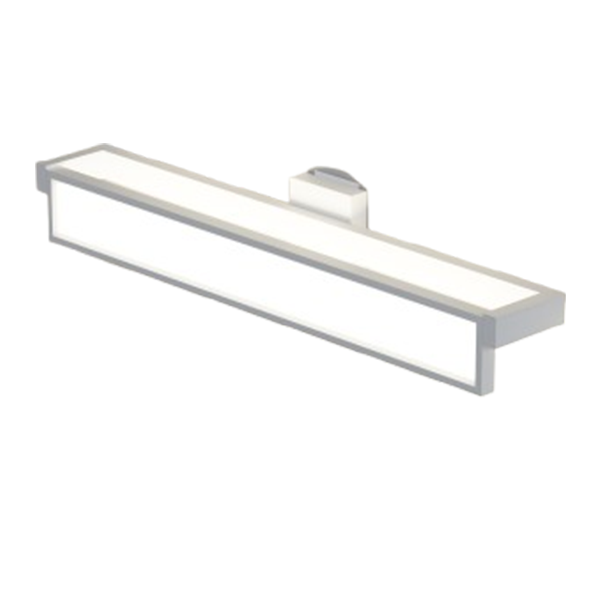
EPREL, the European Product Registry for Energy Labelling, is a database linked to the EU energy labeling requirements. Registration of products subject to energy labeling requirements by registration obligations on the market launch is required in advance.
Why should LED buyers pay attention to EPREL?
For regulated energy-related products EPREL provides transparency concerning product information. Importers/suppliers of LED-products have to clarify if registration is required for their product and who is responsible for it.
Failure to prepare documentation can delay market entry or create compliance issues. Buyers should confirm EPREL responsibilities during supplier evaluation instead of assuming the manufacturer will handle everything.
What documents should importers request from LED suppliers?
A practical LED compliance checklist may include:
- Product specification sheet
- Energy efficiency information
- Test reports
- Declaration of conformity when applicable
- Technical documentation
- Product labeling information
- Installation instructions
Documents needed are dependent on product or service and/or governing laws/regulations for that product or service. Please confirm what is needed prior to placing your order.
How do Ecodesign LED requirements influence product performance decisions?
The Ecodesign LED rules aim to improve the performance of energy-related products by setting minimum requirements for ecodesign, particularly for efficiency and environmental aspects.
Which LED specifications should buyers compare?
When selecting LED lights, buyers should review:
- Luminous flux
- Power consumption
- Color temperature
- Color rendering index (CRI)
- Beam angle
- Driver quality
- Heat dissipation design
- Operating temperature range
- Expected service conditions
Simply more is not better. More powerful products do not automatically equal better solutions. Deciding on the most suitable product for your specific needs also depends on several other criteria including your area of use, mounting height, light distribution and your planned maintenance.
Why does driver quality matter in LED compliance and reliability?
The power supply or driver for the LED will control the delivery of power to the light and will have a big influence on the stability of the LED, the amount of flicker that occurs and the lifespan of the LED. A poor quality driver could actually reduce the performance of a very efficient LED chip.
When purchasing a product for a commercial project it is advisable to check the driver details, usage and technical data of the product. Commercial spaces require a reliable electrical performance. This applies to offices, shopping centers, production facilities and public buildings.
How should buyers evaluate LED suppliers before importing products into Europe?
The supplier selection process plays a significant role as ensuring that the purchased products comply with the required specifications for both the design and the documentation management.
What should an LED supplier checklist include?
Before approving a supplier, buyers should review:
| Evaluation area | What to check |
| Product specifications | Output, efficiency, dimensions, application |
| Compliance support | Available documents and regulatory knowledge |
| Quality control | Inspection process and production consistency |
| Customization | Packaging, design, labeling options |
| Supply capability | MOQ, lead time, replacement support |
A supplier knowledgeable of the European requirements can be of assistance to a buyer to avoid any communication problems or problems with documentation.
How do testing and quality inspection reduce purchasing risks?
Before placing a large order, the buyer may request for samples to evaluate.
- Light output consistency
- Color accuracy
- Driver performance
- Heat management
- Installation compatibility
- Packaging protection
Testing should mirror the application’s real environment. A residential product will not necessarily be fit for commercial or industrial use.
How can importers prepare for future LED compliance changes?
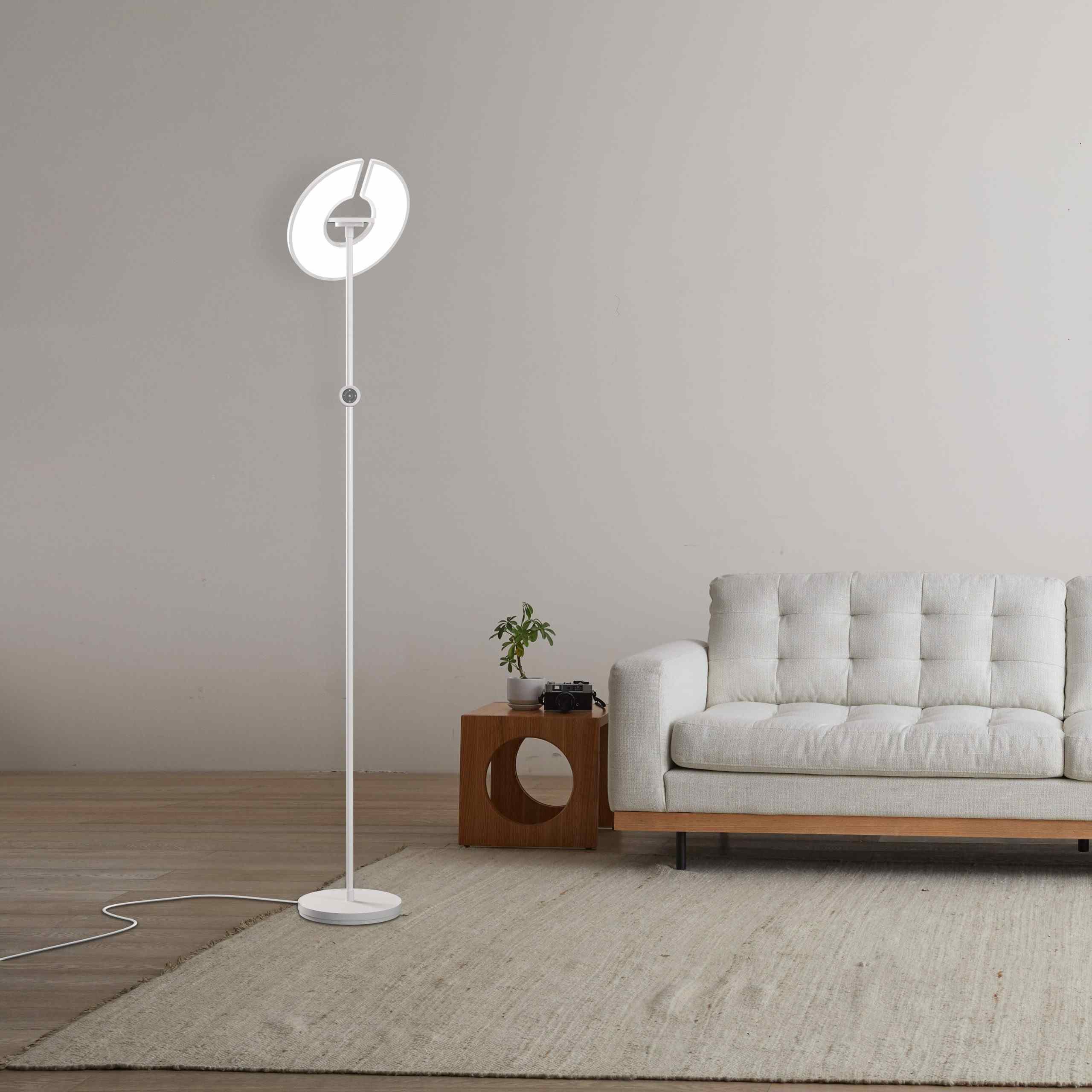
With a constantly changing body of regulations, compliance for businesses is not a ‘once and done’ exercise but can be an on-going process that is embedded within supplier management.
What steps should buyers take before sourcing LED lights?
A practical sourcing process includes:
- Define the target market and product category.
- Confirm applicable EU lighting regulations.
- Request technical and compliance documents.
- Review supplier capability and production information.
- Test samples before mass orders.
- Maintain updated product records.
Importers can react more quickly to changes in regulations, customer requirements or product specifications by working in a more flexible manner.
Why are documentation and supplier communication important?
As most LED products are distributed through several parties such as manufacturers, importers, distributors and contractors, it is very important to keep communication on track in order to ensure that technical files, labels, packaging etc. are being distributed with the correct product information.
Supplier with accurate and up to date documents and communications easier to manage through product lifecycle.
Which supplier can support LED lighting projects for European buyers?
Lionway Electronics provides LED lighting products and related solutions for buyers seeking lighting products for residential, commercial, and decorative applications. The company supports customers with product selection, customization communication, and project-related coordination based on different lighting requirements. For importers evaluating LED suppliers under changing EU lighting regulations, supplier cooperation may include technical specifications, product documents, packaging details, and order support. Buyers should still compare product performance, compliance documents, pricing, delivery terms, and service expectations before making final purchasing decisions.
Conclusion
EU lighting regulations play a significant role in buyers’ selection of appropriate LED lighting for import in 2026. When assessing products, buyers should not only check the lighting parameters but also the required documentation as well as the manufacturers’ energy data, manufacturing capabilities, and preparation with regard to regulations. As the ESPR lighting requirements are being worked on by the industry, the responsibilities of EPREL declarants as well as the Ecodesign LED requirements will affect how companies evaluate products for the European market. A careful selection of suppliers will help avoid any potential compliance problems and smooth market introduction. Importers must be able to obtain necessary technical information from suppliers and maintain constant communication with them throughout the purchasing process.
FAQs
1. What are EU lighting regulations for LED products?
EU lighting regulations are divided into requirements concerning energy efficiency, provision of information, safety and the environmental characteristics of different LED product groups.
2. What is EPREL and why does it matter for LED buyers?
EPREL is the European Product Registry for Energy Labelling. Depending on the products concerned registration on EPREL and further energy information requirements may impede the distribution on the market.
3. How does ESPR affect LED lighting products?
ESPR focuses on sustainable product design. It could also influence future requirements concerning durability, materials or the environmental behavior of a product.
4. What documents should LED importers request from suppliers?
As an importer you should ask for specifications, technical documentation, test reports, information about the energy consumption of the product in question and also documentation of compliance with applicable requirements.
5. How can buyers choose a reliable LED supplier for Europe?
When selecting suppliers, buyers should compare the product specifications, compliance support, quality control, customisation options, lead time, price and after sales service offered by each supplier.