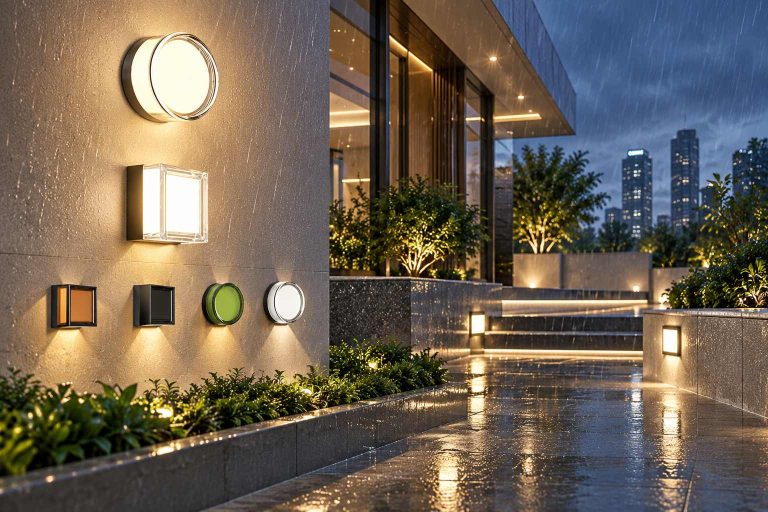
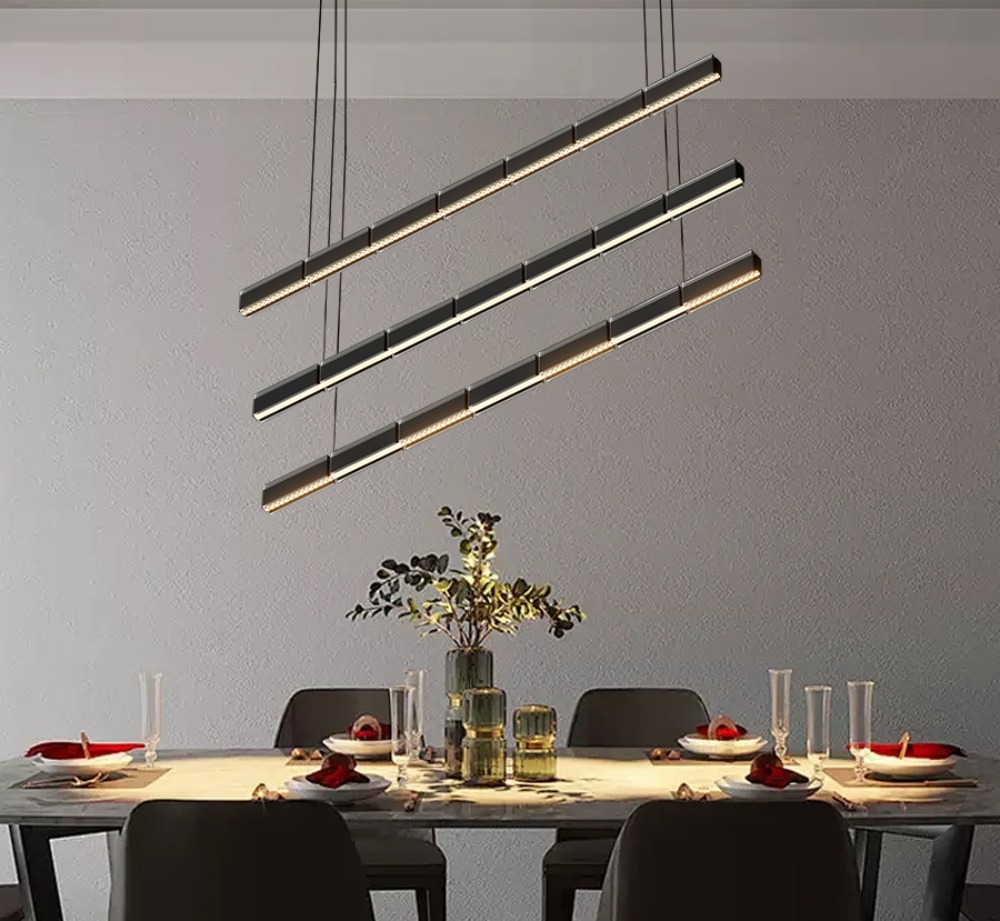
Picking the right lights for a big job is never simple. When you’re outfitting a fresh hotel lobby, updating a big corporate office, or fitting out a string of retail stores, your chandelier and pendant light choices set the whole mood. Make one bad call on size, finish, or how bright they shine, and you could face expensive fixes or upset clients later on.
Folks who buy for business know the stress firsthand. You aren’t just grabbing one piece for a home. You’re lining up hundreds — sometimes thousands — of units. They all need to look alike across different spots. They have to show up on time and keep working well for years. That’s why sharp procurement teams treat custom chandelier and pendant light solutions like a real supply chain call, not some quick design pick.
Why Customization Matters More Than Ever in Commercial Projects
These days, walk into any nice hospitality build and you see the change right away. Plain off-the-shelf lights often don’t cut it. Ceilings come in all heights. Branding calls for exact finishes. Energy rules push for specific performance too.
Picture this. A mid-rise office building got a full refresh in a busy U.S. city not long ago. The team needed pendant lights that spread steady light without any harsh glare across wide open work areas. At the same time, the fixtures had to stay slim for those 8-foot ceilings. Standard choices either looked too heavy or cast ugly shadows that made people uncomfortable. A made-to-order fix sorted it out. They tweaked the lens design and slimmed down the housing to match the space exactly.
Chandeliers run into the same kinds of tests on the ground. In hotel ballrooms or busy restaurant dining rooms, they need the right scale. They must throw soft light for that welcoming feel. And they have to stand up to daily cleaning by the maintenance crew. Basic models might snap a nice photo, but once hung in big numbers, you spot uneven brightness or weak parts fast.
Custom work gives you control over every little thing. You pick the glass clarity, the metal tone, the warmth of the light, how well it dims, and even the mounting parts that fit your building’s structure. The payoff shows up fast: architects sign off quicker, installs go smoother, and you deal with way fewer warranty headaches later.
Key Questions Every B2B Buyer Should Ask Suppliers
Before you sign off on a big batch of chandelier or pendant light fixtures, go beyond the sticker price and delivery date. Here are the down-to-earth questions that tell solid partners apart from the ones who talk big but deliver headaches:
- How flexible is your customization process?Ask them to show real past changes. Can they tweak the arm lengths on a chandelier to fit different ceiling heights? Can they resize the canopy on pendant lights so they match your existing boxes? A good maker should walk you through their steps, usually with 3D views and actual samples before they start full production.
- What materials and finishes hold up in high-traffic commercial environments?Don’t stop at the basic specs. Strong pendant lights often use tough aluminum or thick glass that shrugs off fingerprints and bumps. Chandeliers headed for hotels do better with coated or treated metal that takes daily wiping without scratches. Ask for test results on salt spray or scratch resistance, especially if your job sits near the coast or in humid spots.
- How do you handle light quality consistency across large batches?Even tiny color differences between pieces can wreck the clean look. Solid producers sort their LEDs carefully and check every run for brightness, color accuracy, and spread. Push for a high CRI rating — above 90 works well — and tight consistency from one fixture to the next.
- What certifications and testing back your claims?For jobs in the U.S. or overseas, double-check the listings like ETL or DLC. These aren’t just paperwork. They help permitting and insurance go through without extra drama on site.
- What’s your realistic production and shipping schedule for bulk orders?Custom pieces take time, but experienced shops plan buffers for checks. Get clear on sample timing — usually two to four weeks — versus full runs, which might run six to ten weeks depending on details. Also ask about shipping choices if parts of the schedule get tight.
A quick comparison table during supplier talks keeps things clear for everyone:
| Question Area | What to Verify | Why It Matters for Bulk Orders |
| Customization Depth | Design adjustments, sample approval | Prevents costly redesigns mid-project |
| Material Durability | Finish specs, impact resistance | Reduces replacement frequency in commercial use |
| Light Consistency | Bin control, batch testing | Ensures uniform appearance across floors/rooms |
| Certifications | ETL, DLC, CE, ROHS | Speeds up code compliance and client sign-off |
| Delivery Reliability | Production timeline, packaging standards | Avoids delays that cascade through construction |
Understanding Optical Design and Its Impact on Real Projects
Many buyers learn this lesson the hard way: glare and light spread make a huge difference. Bad pendant light designs create hot spots in meeting rooms or uneven washes on wall art in galleries. Smart optics — think carefully angled reflectors or soft diffusers — push light out evenly and gently.
In real life, that means offices feel more productive and restaurants feel more relaxed for diners. A solid chandelier doesn’t just hang there looking pretty. It works with the room’s shape. It draws eyes upward and gives useful light right where people need it.
For commercial updates with lower ceilings, thin profiles change everything. They stop the “hanging too low” complaints from building managers. Yet they still put out enough light to get the job done.
Matching Aesthetics with Performance Requirements
Business projects rarely pick lights just for looks. You need fixtures that line up with the actual lighting plan. Maybe warm 3000K tones for guest areas or adjustable options for flexible work zones.
Many modern chandelier lines mix classic sparkling details with clean metal frames. They give that upscale vibe without going out of style fast. Pendant lights come in grouped setups that work great over long tables or as bold single drops above front desks.
The sweetest results happen when buyers share clear project details early. Send over floor plans, ceiling measurements, target light levels, and mood boards that match the brand. This back-and-forth turns a plain order into lighting that truly lifts the whole design.
Introducing Lionway Electronics: A Professional Team in the Lighting Industry
 Lionway Electronics has spent more than 15 years zeroed in on the LED lighting field. Their crew brings together know-how in design, mold making, and careful manufacturing all in one place. They run as a national high-tech outfit and hold ISO 9001 and ISO 14001 certifications, plus the main safety and performance listings.
This full-package setup lets them build chandelier and pendant light pieces that hit exact customer specs while keeping quality steady from first sample to last shipment. For business partners, it cuts down on surprises and builds real confidence when moving from prototypes to full project rolls.
Conclusion
Sourcing custom chandelier and pendant light solutions doesn’t need to feel like rolling the dice. Ask the right questions up front and team up with a maker who gets both the creative side and the practical side of commercial work. That way, you protect your timeline, keep costs in check, and end up with spaces that really wow people.
The lighting world favors teams that plan things out carefully. Spend time checking how flexible the customization is, how tough the materials feel, and how dependable the production runs. When it all clicks, your bulk order turns into something that lifts the finished project instead of creating extra work.
Ready to look at options built for your next job? Share your specs and find out how a smart custom process can smooth out the whole ride from idea to finished install.
FAQs
What should I consider when ordering custom chandeliers in bulk for a hotel project?
Pay close attention to consistent sizing, tough finishes that handle regular cleaning, and light spread that sets a nice mood without glare. Sharing ceiling heights and room layouts early helps the team adjust sizes and mounting so every piece fits right across all floors.
How do pendant lights differ from chandeliers in commercial applications?
Pendant lights usually give you more options for task or accent lighting. They often hang in straight lines or clusters above counters and tables. Chandeliers tend to act as eye-catching centerpieces in bigger areas like lobbies or ballrooms. Both can get customized, but pendants often solve low-ceiling issues better in today’s updates.
Can manufacturers adjust the color temperature and dimming on pendant lights for different zones in one building?
They sure can. Skilled teams can set batches to specific warmth levels or pair them with the right dimming drivers. This lets you use cozier tones in guest spots and neutral light in work areas while keeping the whole family of fixtures looking matched.
What lead time should B2B buyers expect for custom chandelier orders?
Samples usually take two to four weeks to develop. Full production might run six to ten weeks, depending on how complex the order gets and how many you need. Adding time for final checks and shipping helps keep construction on track without last-minute rushes.
Why does optical design matter when choosing bulk pendant lights?
Strong optical design stops sharp shadows and cuts down on eye fatigue in busy spaces. In offices or stores, it shapes how comfortable and useful the area feels. Clients notice that difference the moment they walk in and the place opens for business.