Hotel guests notice the lighting almost instantly. They sense it as soon as they walk into the lobby or move along a hallway. Harsh bright spots mixed with shadowy areas can make the place feel off. Colors that fade skin tones or dull the fabrics can spoil that warm first impression you aim for. Procurement teams and lighting specifiers on hotel jobs have to balance guest comfort, a strong brand look, and strict safety rules. They also watch the bottom line over the years.
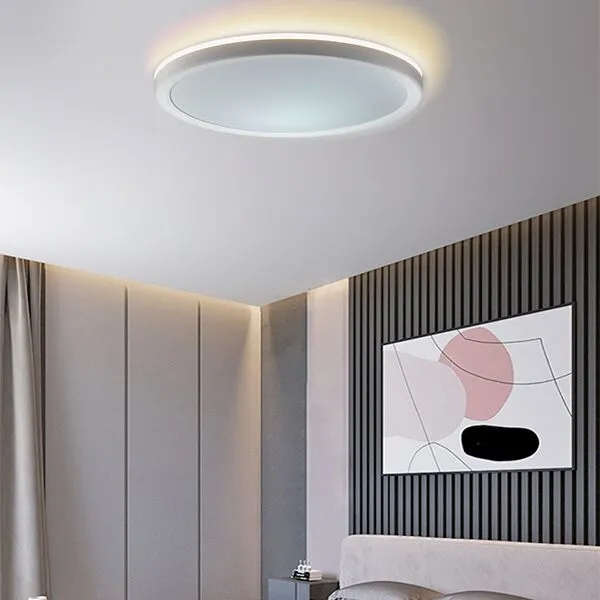
Ceiling surface luminaires bring a clean, fresh style. They fit nicely where the ceiling cavity runs shallow or in remodel jobs. These lights sit flush on the surface instead of tucking inside. Installation goes quicker and works better in older buildings or new ones with tricky structures. Yet not every surface-mounted unit performs alike. The real gaps show up in how smoothly the light fills the room, how natural the colors look, and whether the system keeps running when the power drops.
Why Ceiling Surface Lights Matter in Hotel Projects
Imagine a packed hotel lobby at rush hour for check-ins. Guests roll in exhausted from flights or long drives. They look for soft, inviting light that feels upscale yet never glaring. No reflections bouncing off polished floors or stone surfaces. In guest hallways, steady brightness helps folks find their way confidently in the dark. In ballrooms or meeting spots, bad lighting can wash out presentations or make a celebration feel stiff and plain.
Procurement people know the risks. Shoddy lighting sparks more guest complaints, hurts review scores, and adds service calls. Good ceiling surface lights support the hotel quietly. They shape spaces that feel premium and secure. They also meet code demands for exit paths and backup power. Inspectors check those points closely.
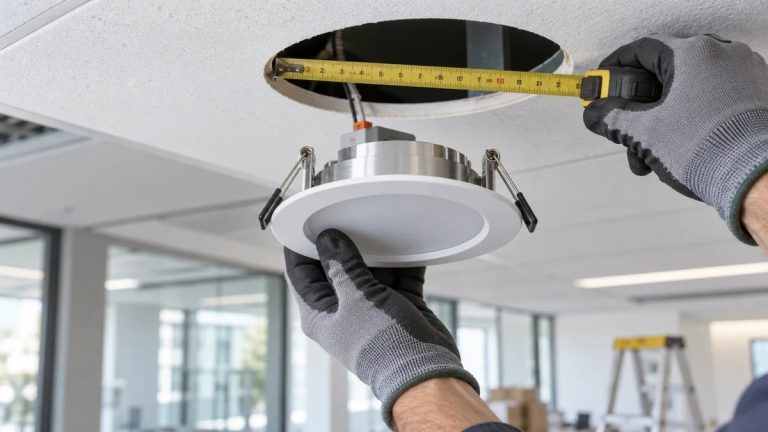
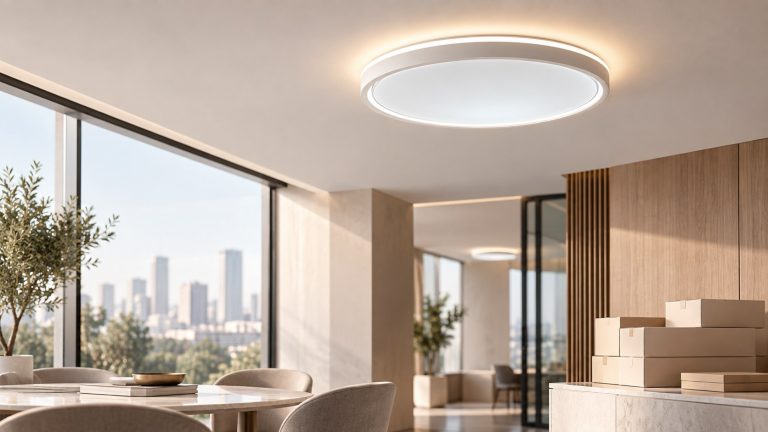
Surface-mounted designs really work well in hotels. They adjust to various ceiling heights and style details. Some models come extra thin, sometimes just under an inch. That helps in historic remodels where you cannot drop the ceiling much. They deliver solid light output while saving headroom.
Achieving Excellent Light Uniformity
Uniformity sounds like a tech term, but it changes real outcomes. It means the brightness stays fairly even from spot to spot. You dodge super bright zones right under the fixture and gloomy patches farther away.
Consider a standard hotel corridor. Uneven light makes eyes adjust over and over. A guest stepping from a lit elevator into a darker stretch might stumble mentally for a second. That hurts both safety and comfort. Many jobs target a uniformity ratio where the brightest spot stays no more than 10 times the dimmest one in regular areas. Along exit routes, codes often accept up to 40 to 1 as the limit.
Strong ceiling surface luminaires use clever lenses and reflectors. These spread the beam wide and soften glare. The effect feels like a gentle, even wash. Guests pick up on it without staring at the source.
For example, in an eight- to ten-foot hallway, smart spacing and wide beams prevent those annoying dark corners by the walls. Specifiers run light simulations early in the project. They verify the numbers before ordering. Later they test everything once furniture and finishes arrive. The extra step pays dividends.
Hotels win big with even coverage. Spaces seem larger and more relaxing. Details like crown molding or textured walls pop nicely without sharp shadows that drag down the quality.
The Role of High CRI in Guest Experience
Color Rendering Index, called CRI, shows how well a light reveals true hues compared to daylight. A score of 80 scrapes by for basic commercial spots. Hotels often push for 90 or higher, especially in rooms, lobbies, and dining areas.
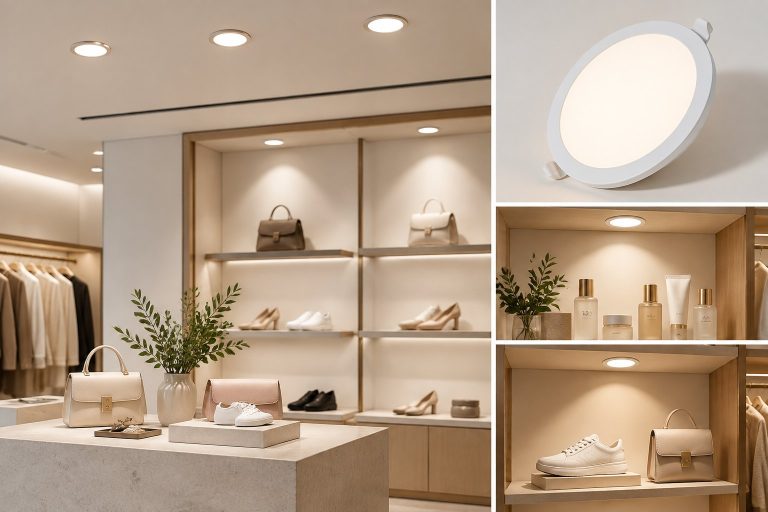
Why does this count? Think of a guest trying on clothes in the hotel shop or checking makeup in the bathroom. Low CRI lights can muddy reds or make skin look drained. High-CRI ceiling surface lights keep tones fresh and lifelike. That lifts the hotel’s upscale image directly.
In restaurants, true colors make plated food more tempting. A warm tone around 2700K to 3000K with solid CRI builds that cozy, refined mood. It skips anything too stark or overly yellow.
Teams usually pick fixtures from the same batch. This keeps shades matched across big installs. Small shifts build up fast and wreck the visual harmony you spent time creating.
Feedback from past hotel jobs shows areas with CRI 90-plus often score higher on atmosphere and comfort. It turns into one of those subtle details that set a property apart from the average.
Emergency Backup: Safety Compliance Without Compromising Design
Power failures happen now and then. In a hotel filled with sleeping guests or busy events, reliable backup lighting stands as a must. Codes such as the International Building Code and NFPA 101 leave no room for shortcuts.
Modern ceiling surface luminaires with built-in emergency parts keep the appearance consistent. You skip adding bulky separate signs or battery boxes that clash with the decor. When main power fails, these units flip over automatically. They supply the needed brightness along escape paths.
Codes usually require an average of one foot-candle on the floor at the start, with no spot falling below a tenth of a foot-candle. The system must last at least 90 minutes. Even spread still plays a key role so shadows do not hide dangers.
For procurement groups, integrated backup simplifies coordination. The look stays matched throughout the building. Look for models that hold the same slim shape and finish in normal or backup mode. Some include auto-testing that cuts manual work and eases inspection paperwork.
Hotels with these combined systems often breeze through reviews. During rare outages, daily operations hold steadier. Guests feel safer, and the brand dodges any negative attention from safety issues.
Key Specification Checklist for Hotel Ceiling Surface Lights
Keep this simple list close when you compare quotes:
- Uniformity and Glare Control: Wide beam patterns, low glare scores, supported by clear photometric data.
- CRI and Color Temperature: Target CRI 90 or better; lock in one warm shade, often 3000K, for the full project.
- Emergency Backup: Built-in battery that hits code levels and run time; self-test features if possible.
- Efficiency and Output: Shoot for over 120 lumens per watt to handle 24/7 energy demands.
- Build Quality: Sturdy materials, easy mounting, and finishes that blend with the room scheme.
- Approvals: Check for ETL, DLC, CE, ROHS, and any local needs.
A quick comparison table speeds up bid reviews.
Introducing Lionway Electronics
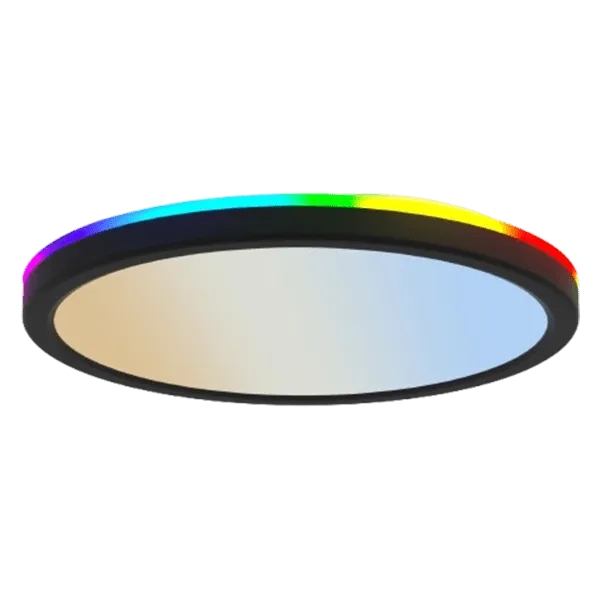
Before you settle on final specs, reach out to a maker that truly gets hospitality lighting. Lionway Electronics has put in more than 15 years as a national high-tech outfit dedicated to solid LED lighting. Their crew covers optical design, custom molds, and careful assembly. This helps them build dependable fixtures that match real project needs.
The company holds key credentials like ISO 9001 and ISO 14001, along with ETL, DLC, CE, ROHS, and more. They stress steady output, good energy savings, and neat looks suited for hotels. Their ceiling surface lineup, including slim choices from the Air series like Luna, delivers the even spread, natural color quality, and backup features specifiers seek. These lights also handle actual on-site installation limits well.
Conclusion
Choosing the right ceiling surface luminaires for hotel projects comes down to three core pieces. You need light that spreads evenly and feels pleasant. Colors should appear rich and true. Backup systems have to activate reliably to protect everyone. When these line up, the lighting lifts the entire stay without calling attention to itself. It also smooths daily operations and bolsters the brand.
Procurement teams and lighting specifiers who explore these points early avoid pricey fixes later. The gains show in better reviews, smoother approvals, and a hotel that feels thoughtfully put together from the first moment.
FAQs
What are ceiling surface lights for hotel projects, and why choose surface-mounted over recessed options?
Ceiling surface lights for hotel projects attach directly to the ceiling face rather than recessing in. They suit remodels or buildings with limited ceiling depth. Surface styles often install faster and still give strong, even results without major ceiling work.
How important is light uniformity when selecting ceiling surface lights for hotel corridors and lobbies?
It matters a great deal. Solid uniformity cuts out dark patches that unsettle guests after dark. It also helps meet safety standards for exit paths. You end up with areas that feel open and calming instead of spotty.
Why does a high CRI matter for ceiling surface lights in hotels?
A high CRI, often 90 or above, keeps colors looking natural. That covers wood tones, guest makeup, and dishes in the restaurant. It plays a direct part in creating that premium, inviting brand atmosphere.
Can ceiling surface luminaires include emergency backup without ruining the design?
Yes, they can. Many newer models tuck the battery inside neatly. The fixture keeps its slim, nice profile on regular power or during an outage. This maintains the intended look while satisfying code rules for brightness and backup duration.
What should hospitality procurement teams look for in CRI, uniformity, and backup features?
Teams do well targeting CRI 90-plus for realistic color, proven uniformity ratios that back comfort and safety, and built-in emergency packs with solid run time. Always request the photometric sheets and confirm fit with the overall lighting scheme.