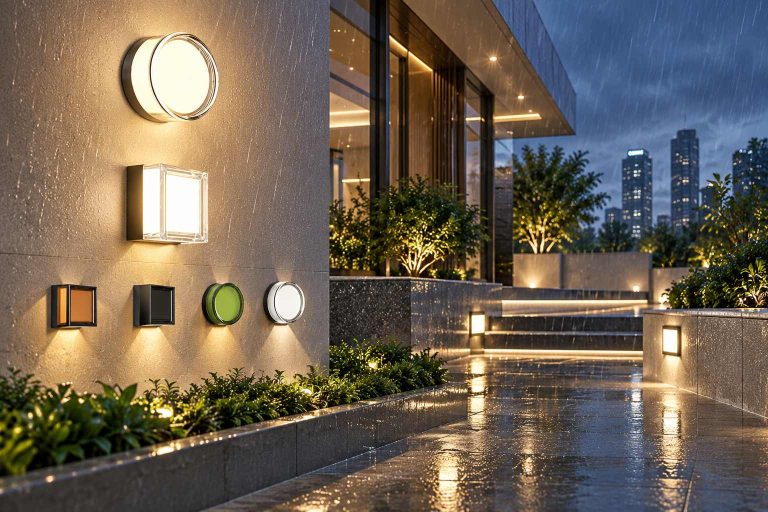
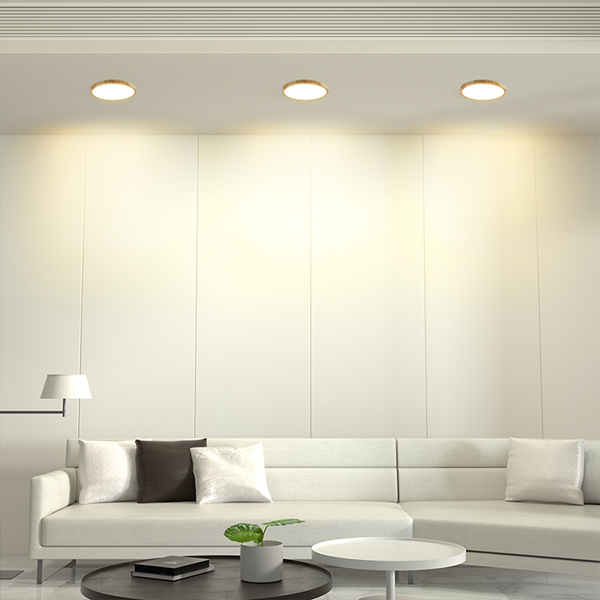
Walk into a luxury hotel lobby at dusk. Soft light washes over the marble floors and rich fabrics. Guests feel welcome right away—not blinded by harsh spots or left guessing in dim corners. That first impression often comes down to the downlights recessed in the ceiling. Get them right, and the space feels elevated. Get them wrong, and even the best design falls flat.
For hotel groups and high-end interior designers, choosing the right LED downlights isn’t just about brightness. It’s about crafting an atmosphere that makes guests want to stay longer, post better reviews, and come back. Two factors stand out in hospitality projects: high color rendering index (CRI) and smooth, flicker-free dimming. Low CRI makes furniture look off and food colors dull. Jerky dimming kills the sophisticated vibe you’re paying for.
Why Downlights Matter So Much in Hospitality Spaces
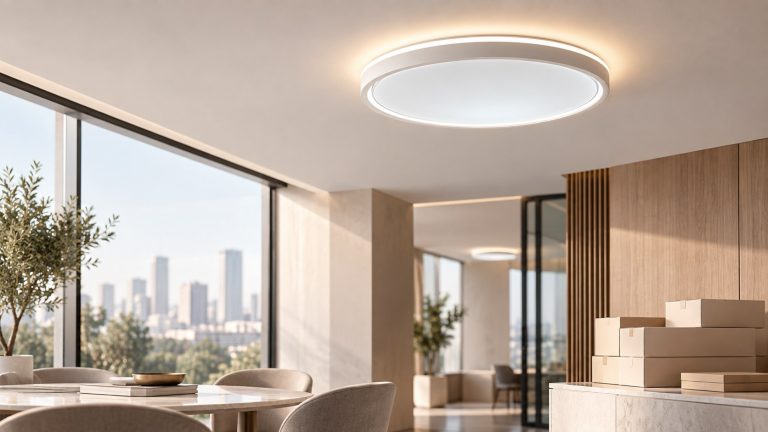
Downlights serve as the backbone of layered lighting in hotels. They provide ambient illumination without calling attention to themselves. In guest rooms, they highlight bedside tables or reading nooks. In restaurants, they make plates look appetizing. In corridors and lobbies, they guide movement while keeping things calm.
Unlike pendants or wall sconces, recessed downlights disappear into the architecture. That clean look fits modern and classic hotels alike. But their invisibility doesn’t mean they’re simple. Poor choices create glare, uneven pools of light, or color shifts that guests notice subconsciously.
Real-world example: A boutique hotel in a historic building renovated its lobby with new ceiling fixtures. The team picked downlights with solid performance specs. Suddenly, the space felt warmer and more inviting. Guests lingered at the bar longer, and evening check-ins felt more personal. Small details like this add up to better occupancy and higher guest satisfaction scores.
The Critical Role of High CRI in Hotel Environments
Color rendering index (CRI) measures how accurately a light source shows true colors compared to natural daylight. In hotels, this isn’t a nice-to-have—it’s essential.
Imagine a fine-dining restaurant. A steak arrives under lights with CRI below 80. The meat looks grayish, the vegetables washed out. Diners notice. They might not pinpoint why, but the meal feels less premium. Studies and guest feedback consistently link accurate color to perceived quality.
For hospitality, aim for CRI 80 minimum. Better yet, 90 or higher. This range makes wood tones rich, skin tones natural, and artwork pop without distortion. In guest bathrooms, high CRI helps with makeup application or shaving—no more surprises when stepping into better light elsewhere.
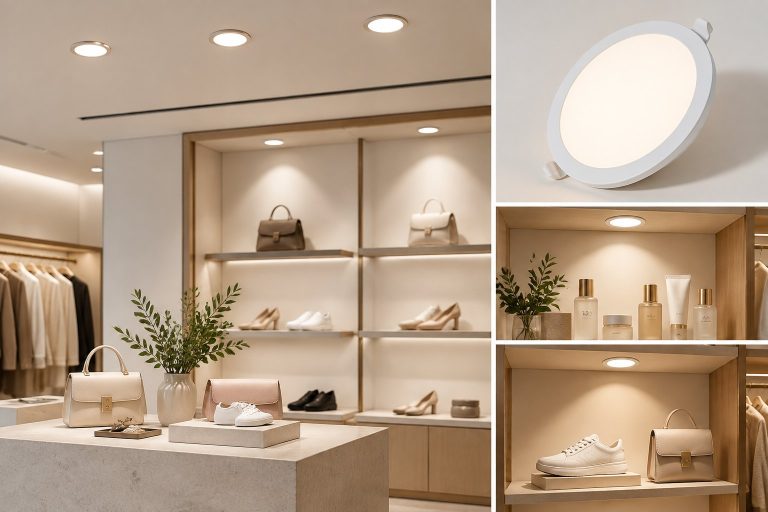
In practice, high-CRI downlights shine in retail areas within hotels too. Boutique shops selling clothing or jewelry need true-to-life rendering so items sell themselves. Low CRI distorts everything and hurts sales.
Quick Comparison of CRI Levels in Hospitality Use:
| CRI Range | Typical Effect in Hotels | Best For |
| Below 80 | Colors appear dull or shifted | Basic corridors (avoid in key areas) |
| 80-89 | Good accuracy, suitable for most spaces | Guest rooms, hallways |
| 90+ | Excellent, near-natural rendering | Restaurants, lobbies, art displays |
Hotels targeting five-star experiences lean toward 90+ to protect their brand image.
Smooth Dimming: Creating Seamless Atmosphere Transitions
Nothing breaks the spell faster than lights that flicker or jump when dimmed. In a luxury setting, dimming should feel invisible—like the room is breathing with the time of day.
Morning lobby? Brighter levels energize arriving guests. Evening cocktail hour? Gentle lowering creates intimacy without sudden changes. Non-smooth dimming causes visible steps or buzzing, pulling guests out of the moment.
Compatible drivers make the difference. Look for options that work with common protocols like TRIAC (for simpler retrofits), 0-10V (reliable group control), or DALI (precise, addressable systems for larger properties). These allow seamless integration with building management or guest-room controls.
In one large resort project, switching to downlights with excellent low-end dimming performance let staff create custom scenes for events. No more harsh cutoffs at 20% brightness. The result? Guests raved about the “magical” ambiance in reviews, and energy use dropped during off-peak hours.
Flicker-free performance also matters for guest comfort, especially in bedrooms where sensitive travelers might notice subtle pulsing that disrupts sleep.
Key Features to Look for in Premium LED Downlights
When specifying for a hotel project, dig beyond basic wattage. Focus on details that deliver in real use:
- Uniform light distribution: No dark spots or hot centers. Light guide plate (LGP) technology or advanced optics help spread illumination evenly.
- Low glare (UGR): Keeps the ceiling calm and eyes comfortable, especially in reading or dining areas.
- High efficiency: Around 100-120 lumens per watt means strong output without excessive heat or energy bills.
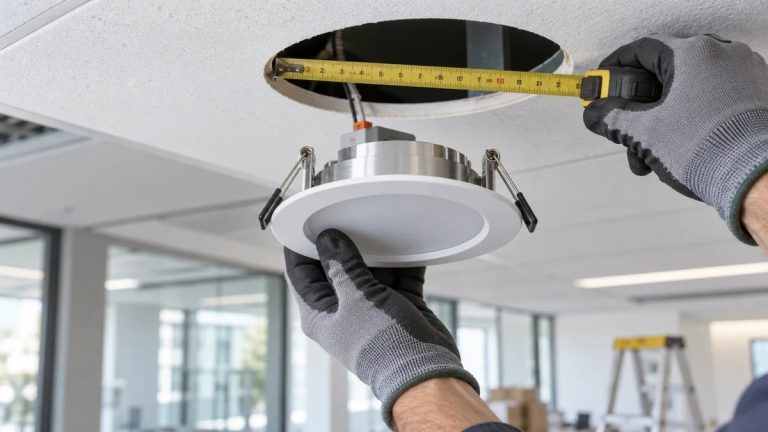
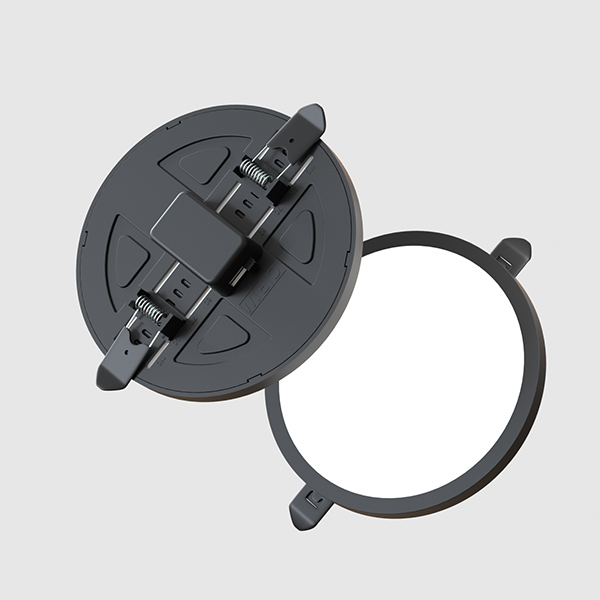
- Slim, easy-install design: Ultra-thin profiles (under 3cm in some cases) suit renovation work in older buildings with limited ceiling space.
- Durability and certifications: Look for robust builds with proper thermal management for long life in 24/7 operations.
Bullet-point checklist for designers:
- Beam angles that match the space—narrower for accents, wider for general fill.
- Color temperature options (warm 2700K-3000K for cozy zones, neutral for task areas).
- Emergency backup capability in key public spaces for safety compliance.
- Anti-glare reflectors or diffusers to maintain the premium feel.
These elements combine to support both aesthetics and operations.
Practical Tips for Selecting and Specifying Downlights
Start with the space function. Guest suites need flexible, quiet operation. Public areas demand consistency across hundreds of fixtures.
Calculate spacing and lumen needs early—over-lighting wastes energy, under-lighting frustrates staff. Layering helps: use downlights for base illumination, then add accents where needed.
Test samples in mock-ups whenever possible. Lighting looks different on paper versus in the actual finishes and ceiling heights. A quick mock-up can reveal glare issues or color shifts before full installation.
Budget for quality upfront. Cheaper fixtures often fail on CRI consistency or dimming stability, leading to costly replacements later. Hotels run long hours; reliable performance pays off in lower maintenance and happier guests.
Introducing Lionway Electronics: A Professional Team in the Lighting Industry
Lionway Electronics has been part of the LED lighting world since 2008. As a national high-tech enterprise, the company focuses on developing and manufacturing high-quality solutions tailored to customer needs. Their experienced team handles everything from initial design and mold development to final production, bringing practical insight to complex projects.
This background shows in their approach to downlights. They emphasize craftsmanship that delivers uniform light, strong color rendering, and reliable performance—qualities that align well with the demands of hospitality environments. With certifications covering quality, environmental standards, and international safety marks, Lionway positions itself as a dependable partner for teams specifying lighting across commercial and hotel projects. Their focus stays on creating comfortable, efficient spaces that support design visions without unnecessary complications.
Conclusion
Choosing the right LED downlights for hospitality projects comes down to understanding how light shapes emotion and perception. High CRI above 80 or 90 preserves the richness of interiors and cuisine. Smooth dimming compatible with mainstream protocols maintains the polished atmosphere guests expect. When these elements come together, downlights stop being just fixtures and start becoming silent contributors to memorable stays.
Hotel groups and designers who prioritize these details see the payoff in guest feedback, operational efficiency, and long-term brand strength. The best solutions feel effortless—light that simply makes the space better.
FAQs
What CRI level should I specify for LED downlights in hotel restaurants and lobbies?
Aim for CRI 90 or higher in food service and public areas. This range keeps colors accurate so dishes look appetizing and décor appears as intended. Lower values can make everything seem slightly off, affecting how guests perceive quality.
How important is smooth dimming when selecting downlights for luxury guest rooms?
Very important. Jerky or flickering dimming disrupts the calm, high-end feel. Downlights that pair well with TRIAC, 0-10V, or DALI systems let you create gradual transitions from daytime brightness to evening softness, enhancing comfort without drawing attention to the technology.
Can LED downlights with high CRI also deliver good energy efficiency in large hotel properties?
Yes. Many modern options reach 100-120 lumens per watt while maintaining excellent color rendering. This balance helps control operating costs across hundreds of fixtures without sacrificing the atmosphere that defines hospitality.
What makes downlights suitable for both new builds and renovations in hotels?
Slim profiles, flexible installation methods, and uniform light output help them fit tight ceiling spaces common in older properties. Features like low glare and various beam options give designers room to adapt without major structural changes.
How do I ensure the downlights I choose will hold up in high-traffic hospitality settings?
Look for robust thermal management, consistent performance across batches, and relevant safety certifications. Reliable suppliers with in-house design expertise can provide fixtures built for continuous operation while keeping light quality stable over time.