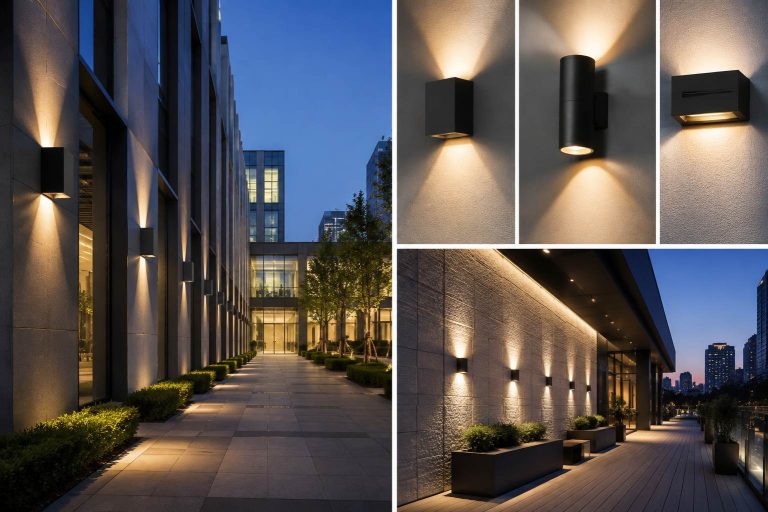
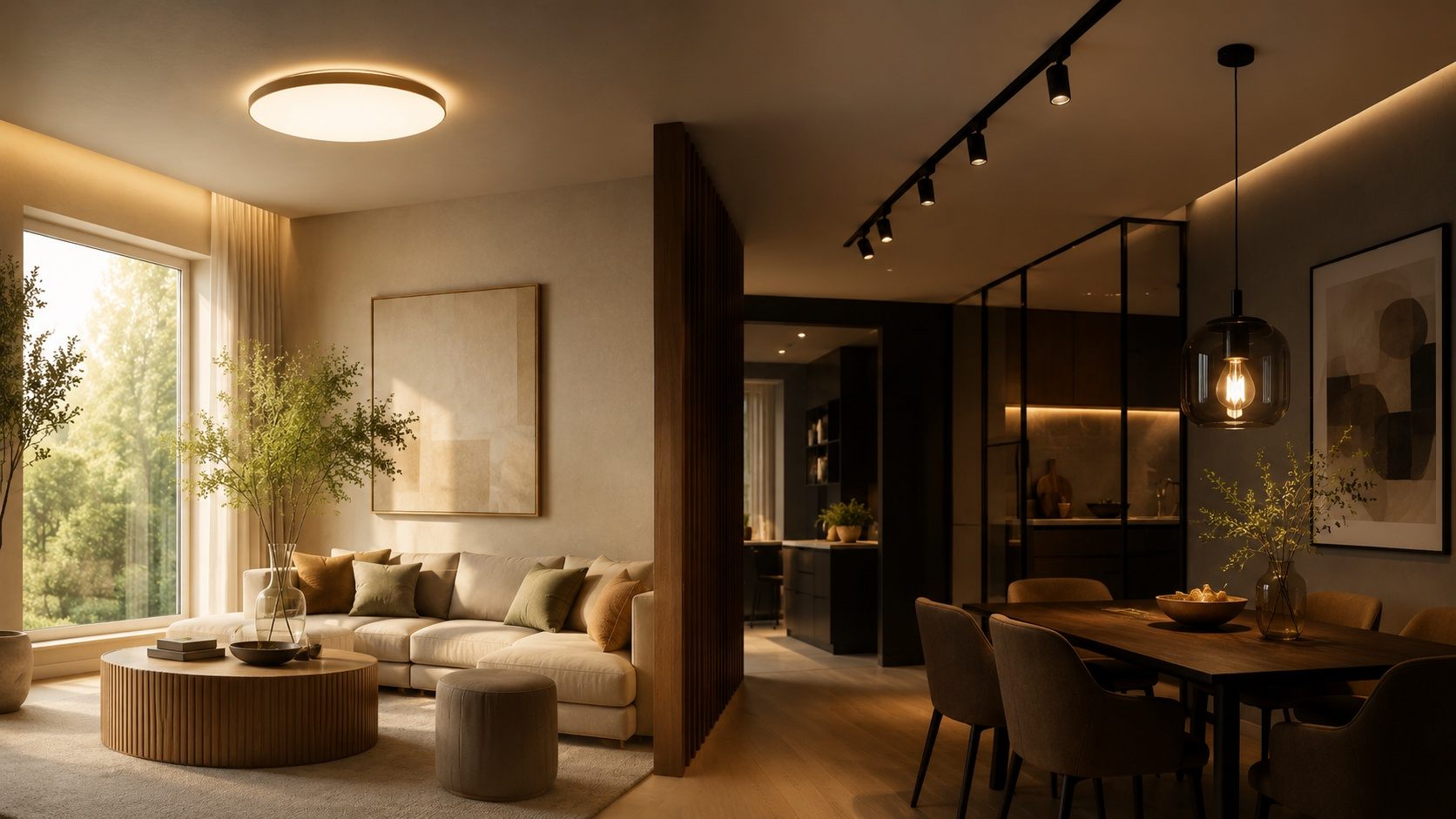
When we talk about lighting in the interior, ceiling lights often are one of the first things coming to mind. For decades, they are providing a basic and uniform illumination and at the same time can be used to create a balance to other elements within a room. When current interior design trends are going for more layering and smarter systems, we ask ourselves if ceiling lights still have a function. However, the interior experts we spoke to are convinced that they are not only still up to date but even are evolving constantly. This article will explain the development of the traditional ceiling light, the value of this type of light from a functional and aesthetic point of view and give a sneak peek into the future of this fundamental part of the interior.
Are Ceiling Lights Really Becoming Outdated?
Overemphasis on open planning and indirect lighting has led some to say that overhead lighting fixtures have been pushed into the background; yet, a closer look at practice reveals nuances that belie this generalization.
Shifts in Interior Design Preferences
The trend towards interior design in minimalist format, or in open version, in recent years has led designers to look for alternative light sources, namely wall sconces or recessed lights. However, ceiling fixtures remain essential, particularly for general lighting in large rooms as well as in so-called multi-functional rooms which require uniform lighting. A report issued by the Lighting Industry Association in 2023 states that more than 70% of newly built houses and apartments are equipped with a traditional lighting system installed in the ceiling. In practice, this type of fixture is often used in conjunction with accent lamps, such as table or floor lamps, in order to create the correct amount of light in the different areas of the home. For example, pendant lights or flush-mount ceiling lights may be used in conjunction with table or floor lamps in other areas of the house in order to provide sufficient light.
The Role of Functionality Over Aesthetics
Ceiling light fixtures are continuously used because of their function to distribute light equally. This light is necessary for safety as well as visibility. In residential areas as well as commercial buildings, ceiling lights are often used to satisfy requirements of light in work places as well as shops. The requirements for lighting in these locations are governed by standards like the ANSI/IES RP-1 and are required to have the correct luminance in order to create a productive environment as well as being comfortable for users. Even though design of lighting may have changed greatly through the years and is currently available in a wide variety of form factors including slimline panels as well as pendants, more importance is placed on the function of the ceiling light rather than the design and therefore they continue to be used.
How Are Modern Ceiling Light Fixtures Evolving?
The latest technological innovations have significantly changed the function of light and how it is presented in the interior in terms of design.
Integration of Energy Efficiency Standards
We at the U.S. Department of Energy have found that the use of LED technology in new installations has quickly surpassed that of traditional incandescent bulbs with over 90% of new light fixtures installed today utilizing the advanced technology. New dimmable LED drivers in conjunction with cost effective and reliable sensors and controllers for automated control of light such as motion sensors, have made it possible for people to dynamically adjust light levels in order to achieve optimal usage of energy. LED ceiling light fixtures today have a typical design life of 50,000 hours or more enabling a massive reduction in required maintenance as well as subsequent related costs. This advanced technology is critical in achieving the goal of worldwide sustainability by dramatically reducing greenhouse gas emissions while delivering equal or better light output.
Design Adaptations for Contemporary Spaces
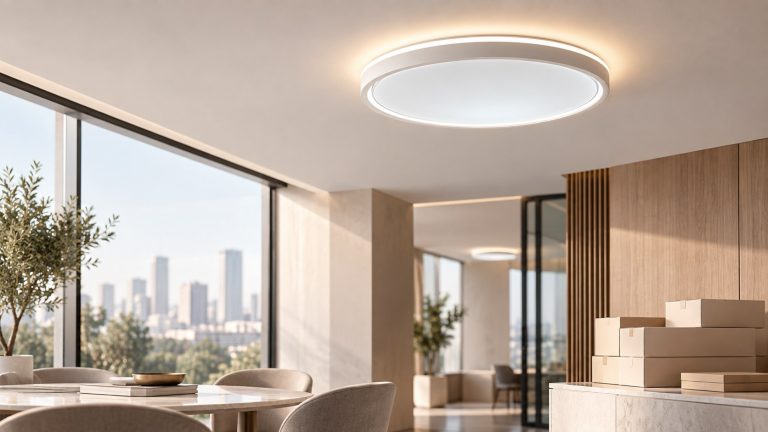
Ceiling lights are becoming slimmer and consisting of more modular panels, which can integrate seamlessly into ceilings while at the same time developing into a style object. By adapting to modern architectural solutions, also the light can be designed to fit into a setting in a variable way. Thus, besides warm light for relaxation also cool light can be created for a workplace. Modern ceiling lights are available in architectural finish, such as matte black or brushed aluminum, thus they can be integrated perfectly into industrial, minimalist rooms. A recent case study from a corporate renovation project shows how replacing the usual bulky troffer with a recessed LED panel increased the impression of spaciousness and at the same time reduced the electricity costs by almost the half.
What Are the Practical Advantages of Retaining Ceiling Lighting?
While improving the beauty of a space and the efficiency of various elements within it, there are many positive economic effects that Overhead Lighting can bring to most projects.
Cost Efficiency and ROI Considerations
A centralized lighting system will make the wiring of a building much easier to manage than a system of distributed lamp networks, for lower initial costs. The use of LED-based ceiling fixtures can save up to 60% power compared with fluorescent lighting and provide fast return on investment, within two years in most cases, by lowering the costs of utilities. In addition, improved components will reduce the number of changeouts required over time, which is an important consideration in a facilities management budget where the cost of a building being down for a time for repairs can be high.
Simplified Installation and Maintenance
Modern mounting systems make it possible for contractors to mount lighting fixtures without the need for tools within minutes on drywall or suspended ceilings. High performance integrated heat management extends the life of the fixture in extremely busy commercial environments such as offices and large retail stores. The range of retrofit kits also makes it easy to update existing buildings with energy efficient alternatives to old lighting systems without having to rewire. This makes them a cost effective solution for property managers looking to update their building’s lighting.
How Do Ceiling Lights Fit Into Modern Layered Lighting Design?
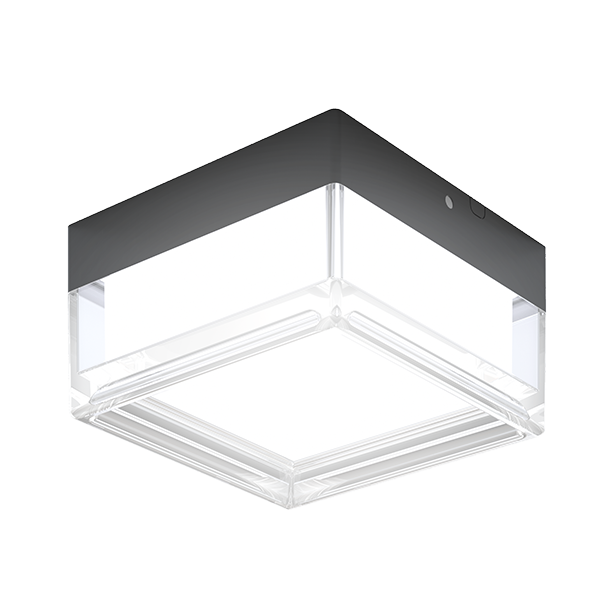
Layered lighting designs emphasize harmony of different light sources over reliance of one light fixture type.
Complementing Task and Accent Lighting
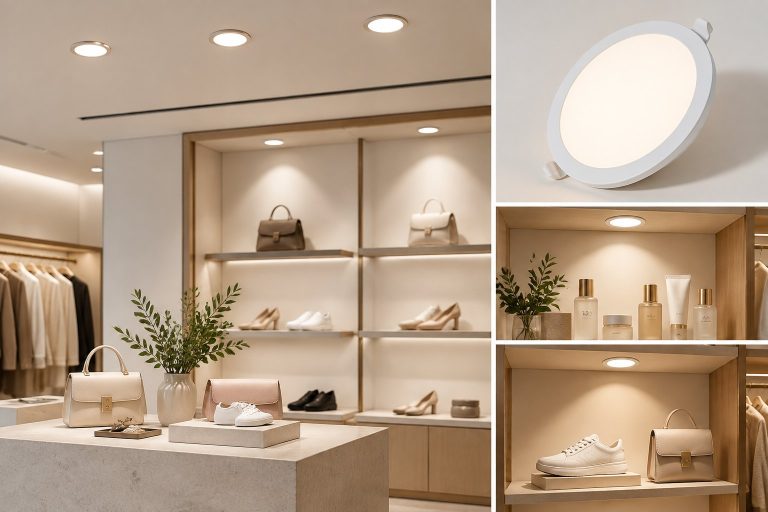
Ceiling fixtures are the base upon which task lighting as well as decorative lighting such as sconces and track are built. In order to avoid glare from accent lighting and to create a comfortable, ambiently lit space, it is very important to have properly balanced lighting. A good rule of thumb is to have recessed downlights as your base and then add in pendants over dining tables as well as work stations in order to have the ability to light up the space to the proper level of brightness depending on what activity is taking place.
Enhancing Spatial Perception and Comfort
Overhead lighting increases depth perception and helps to create spatial hierarchy when properly installed. By adjusting the beam angle of overhead lighting you can highlight features of the walls such as textured finishes or artwork, without them becoming the main focus of the room. A well planned scheme of overhead lighting can reduce visual fatigue in the home by as much as 25% and will continue to provide good levels of comfort over long periods.
Where Does Lionway Electronics Fit Into This Evolving Landscape?
Efficient and flexible lighting solutions are in increasing demand. For decades, Lionway Electronics has been producing electronic luminaires of high quality. As one of the leading manufacturers of lighting fixtures, today Lionway Electronics develops ceiling lights that not only fulfill current energy regulations, but also can be adjusted in terms of performance to suit individual architectural requirements. In addition to technical advice on selecting the right luminaires, Lionway Electronics also offers OEM/ODM production on a contract basis, meeting customers’ individual project requirements. The manufacturer’s after-sales service is also oriented towards practice, in that it relies on actual durability testing data rather than mere advertising promises. For this reason, contractors appreciate Lionway Electronics as a supplier of consistently high-quality products, who is not interested in quickly becoming obsolete in the current era of rapid innovation.
Conclusion
Ceiling lights are far from being obsolete. Instead, they continue to develop in line with modern design and the latest technology. High energy efficiency and a large variety of designs by means of modern LEDs as well as other technologies ensure that there is a suitable overhead light for any requirement with respect to design. In addition to that, due to their function within a layered lighting concept, overhead lights are able to provide the suitable light for specific areas while at the same time ensure a high level of comfort for the users. People who are looking for a long-term solution for the lighting of a building can therefore be convinced by the practicability, flexibility and future capability of ceiling lights.
FAQs
1. Why do some designers claim ceiling lights are outdated?
Some designers associate traditional ceiling fixtures with very traditional interiors. But new designs have evolved into recessed lighting or even modular designs. And they’re perfect for modern homes as well.
2. Are LED ceiling lights worth the higher initial cost?
Yes. Because they use so much less power than incandescent bulbs and last so long, you can expect to save money on energy for 2 years or so, before you’ll get your money back on the initial cost of the bulbs.
3. Can existing homes upgrade old fixtures easily?
Modern retrofit kits are designed to be quickly and easily installed in existing junction boxes with little or no electrical modification.
4. How do ceiling lights affect interior mood or perception?
The light temperature of a color affects how it will appear. Warm colors create a cozy atmosphere while cool colors create a more focused one. So choosing the right color is important to create the right atmosphere.
5. What factors should professionals consider when sourcing ceiling light suppliers?
It is recommended to focus on the lifespan of products, the relevant compliance certifications (e.g. CE or UL), the scope for individual customization and the quality of after-sales technical support rather than price.