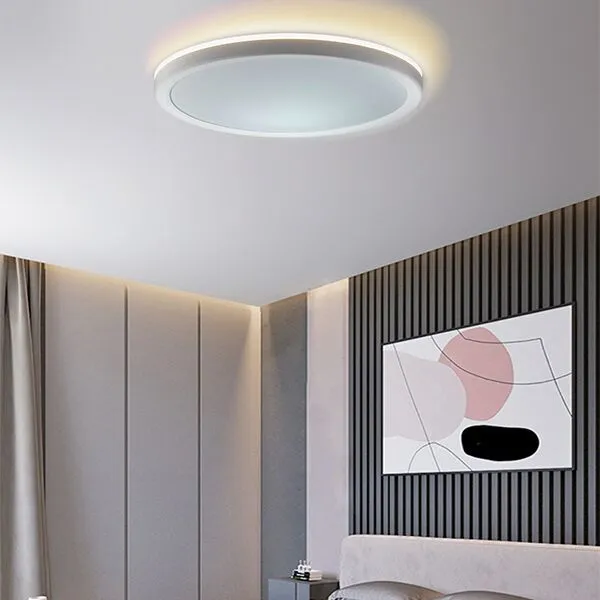
Glare hits hard in offices. You sit at your desk staring at a screen. Bright spots bounce off monitors. Eyes strain. Headaches creep in. Focus slips away. Facility managers hear the complaints daily. Employees rub their eyes. They adjust blinds. Productivity dips quietly.
The fix isn’t just dimming lights or swapping bulbs. It comes down to smarter design. Innovative optical control spreads light evenly. It cuts glare without killing brightness. The result? Softer, uniform illumination. People feel better. They work sharper. Studies back this up—better lighting ties directly to fewer complaints and stronger output.
This guide digs into the glare issue. It shows why it hurts performance. And it explains how advanced optics in ceiling lights solve it for good.
The Real Cost of Glare in Modern Offices
Glare isn’t minor annoyance. It tires eyes fast. Workers blink more. They refocus constantly. Over hours, fatigue builds. A Cornell study found natural light setups cut drowsiness by 56% and headaches by 63%. Poor artificial light does the opposite.
In typical offices, harsh downlights create high contrast. Screens reflect bright points. UGR values climb above 25. That’s uncomfortable territory. Standards like EN12464-1 recommend UGR under 19 for most office work. Higher? Expect more eye strain, lower concentration, even posture issues as people lean to avoid the glare.
Real-world fallout shows up in small ways. Meetings drag because folks lose track. Error rates tick up on detailed tasks. Absenteeism edges higher from recurring headaches. One review of office studies noted that bad lighting contributes to a noticeable drop in sustained attention. When glare dominates, motivation fades too.
How Glare Sneaks In and Why It Hurts So Much
Common culprits include old troffers or cheap LEDs. Light shoots straight down. It hits shiny desks and screens. Reflections create veiling glare. Computer users squint. Paperwork readers get shadowed spots mixed with bright patches.
UGR measures this discomfort. It factors in luminaire brightness, position, and background light. Scores range from 10 (barely noticeable) to 30+ (intolerable). Offices aim for 16-19 max. Anything over 22 feels harsh for desk work.
Beyond eyes, glare messes with mood. Dim corners contrast with bright overheads. The brain works harder to adapt. Stress rises subtly. A Warwick University finding linked workplace distress—including from bad light—to a 10% productivity hit. Happy teams simply get more done.
Innovative Optical Design: The Game Changer
The breakthrough? Advanced optics that diffuse light smartly. Instead of raw, direct beams, light passes through precision lenses or diffusers. It scatters evenly. Hot spots vanish. Uniform coverage takes over.
This means saying goodbye to glare. Fixtures deliver soft, consistent light across desks and walls. No more sharp shadows or blinding reflections. Eyes relax. Screens stay readable without fighting reflections.
Key benefits show in daily use:
- Lower UGR—often well below 19 for office-grade comfort
- High uniformity ratios—light levels stay steady from center to edges
- Better vertical illumination—walls and faces get gentle fill, reducing cave-like feel
- Maintained brightness without cranky employees
Facility teams notice quick wins. Fewer maintenance calls about “flicker” or “too bright.” Employees report clearer focus. Some setups even support circadian-friendly tones, though the core win is glare control.
Ceiling Lights Built for Glare-Free Offices
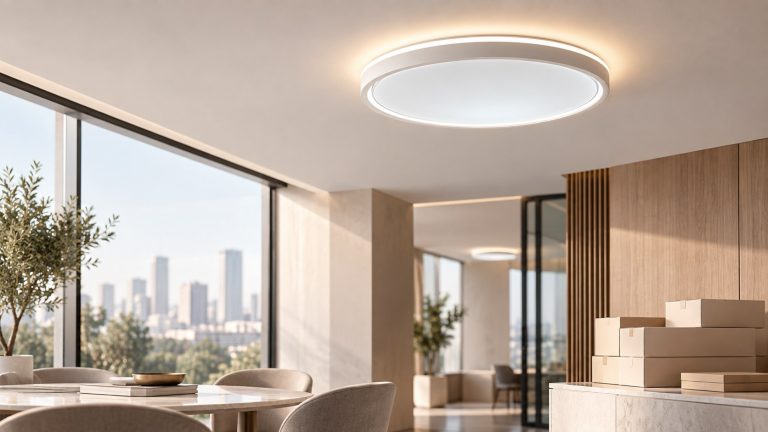
Surface-mounted ceiling lights lead the pack here. They sit flush or close to the ceiling. That keeps the look clean in drop-ceiling grids or open concepts.
Modern versions use multi-layer optics. Light bounces and spreads before leaving the fixture. The output feels gentle yet strong enough for tasks. Uniform spread covers wide areas without dark zones.
Panel-style options go even thinner. They mimic flat skylights. Light emits smoothly from the entire surface. Glare drops dramatically. Offices get that open, airy vibe without harsh points.
Compare the options quickly:
| Fixture Type | Glare Control (Typical UGR) | Uniformity Level | Best Office Fit | Install Notes |
| Traditional Downlights | 22-28 | Medium | Task spots only | Prone to reflections |
| Basic Surface Mount | 20-25 | Fair | General areas | Some hot spots |
| Advanced Optical Ceiling | <19 (often 16-18) | High | Full open-plan desks | Even coverage, quick mount |
| Ultra-Thin Panel Lights | <16-19 | Very High | Modern, glare-sensitive spaces | Flush look, minimal depth |
Pick ones with proven low UGR. Test samples in your space. See how reflections behave on actual monitors.
Real-World Wins from Glare-Free Upgrades
Take a mid-size tech firm that swapped old parabolic troffers. New ceiling lights with smart optics went in. UGR dropped to around 17. Employee surveys showed big shifts—less eye fatigue, fewer “lighting” complaints. Output on coding tasks rose noticeably. One manager said focus sessions lasted longer without breaks.
Another office retrofit targeted an open-plan floor. Uniform ceiling fixtures replaced direct spots. Glare vanished from screens. Headaches fell. HR tracked a dip in sick days tied to eye strain. The space felt calmer overall. People stayed engaged longer.
These aren’t outliers. Industry patterns show consistent gains when glare drops and uniformity rises.
Meet Lionway Electronics: Your Trusted Partner in Professional Lighting
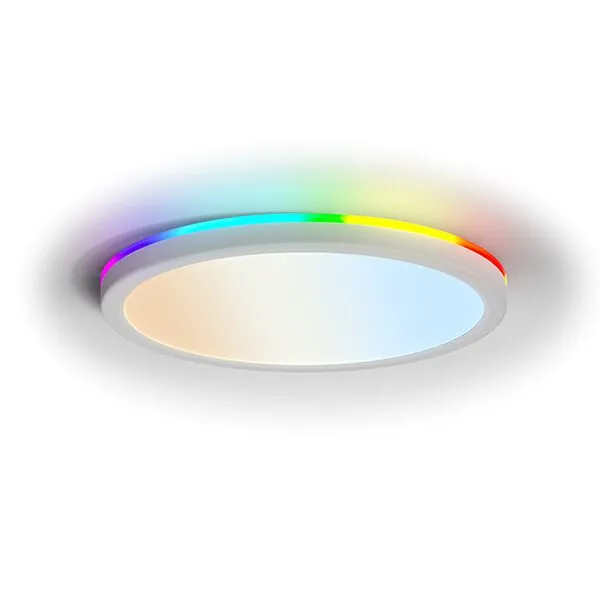
Lionway Electronics Co., Limited has delivered solid LED lighting since 2008. As a national high-tech enterprise, they hold ISO 9001 and ISO 14001 certifications. Plus approvals like ETL, CE, ROHS, and more. Their team handles everything—design, molds, manufacturing.
They focus on real-world needs. Products feature innovative optical designs for soft, uniform light. Glare stays controlled. Comfort rises. Offices and commercial spaces benefit most. With custom options and fast support, they help projects hit deadlines without cutting corners.
Conclusion
Glare drags down offices in ways most folks don’t notice until it’s fixed. Harsh light tires eyes, kills focus, and chips away at daily output. Innovative optical design flips the script. Ceiling lights spread soft, uniform illumination. Glare disappears. Comfort takes over. Productivity climbs as a natural result.
Facility managers and office buyers see the difference fast—fewer complaints, sharper teams, better spaces. The right fixtures don’t just light a room. They support the people inside.
Ready to tackle glare in your next project? Prioritize low-UGR optics and even distribution. You’ll create workplaces where everyone performs at their best.
FAQs
What exactly causes glare in office ceiling lights?
Glare usually comes from bright, direct beams hitting shiny surfaces like screens or desks. Traditional fixtures concentrate light too much in spots. That creates reflections and discomfort.
How does innovative optical design fix the glare problem?
It uses lenses and diffusers to spread light evenly. Instead of harsh points, you get soft, uniform coverage. Glare drops sharply—often to UGR levels under 19—making the space easier on the eyes.
Why do low-glare ceiling lights matter for productivity?
Eyes don’t fight reflections or strain to adapt. Focus holds longer. Headaches fade. Studies link better lighting to less drowsiness and stronger performance on detailed work.
What UGR level should I target for office ceiling lights?
Aim for UGR under 19, ideally 16-18 for computer-heavy offices. Standards recommend this range to keep discomfort low and comfort high throughout the day.
Where can I find reliable ceiling lights with strong anti-glare features?
Look for manufacturers experienced in commercial optics. They offer low-UGR designs, uniform light, and solid certifications. Testing samples in your actual office setup makes the choice clear.