The global LED lighting market has seen rapid growth in the last decade. The LED lighting market is projected to reach USD 160 billion by 2030, according to a 2023 report by MarketsandMarkets. The report explores the global market and its development. China has become the center of the global LED lighting market. The country is the world’s biggest production base for LED lighting as well as the largest export base. Importers all over the world are looking for wholesale LED lights suppliers. Importers of LED lights and those who are involved in commercial lighting projects need to learn how to manage supply chain, how to evaluate products technically and how to evaluate suppliers. The learning process needs to take cost into consideration as well.
Why Source LED Lighting Products from China?
Why China dominates the world of LED production in this day and age. The answer is simple: China invested long time ago in huge production capacity and latest technology in LEDs.
Competitive Advantages of Chinese LED Manufacturers
With over 70% of the global LED production capacity supplied by Chinese manufacturers, they are able to provide a wide variety of products, including simple linear fixtures and very large number of outdoor floodlights. They are able to keep production costs low by making use of automation as well as SMT (Surface Mount Technology) assembly lines. Many Chinese factories also have production that complies with international safety standards as well as environmental regulations and have gained CE, RoHS, UL, DLC etc. certifications to be able to sell their products in Western markets. There are also several top tier suppliers that are based in Shenzhen and Zhongshan and have ISO9001 certifications, as well as in-house photometric labs.
Cost Efficiency and ROI Considerations
Sourcing wholesale LED lights from China can reduce procurement costs by 20–40% compared to North American or European suppliers. Lower unit prices translate directly into higher ROI for commercial lighting projects like retail chains or warehouse retrofits. Freight consolidation through shared container shipments further reduces logistics costs. Long-term supplier partnerships also stabilize pricing against raw material fluctuations—particularly beneficial for contractors managing multi-phase construction timelines.
How to Identify Reliable LED Lighting Manufacturers in China?
When looking for a reliable manufacturer of a product, you need to conduct a thorough research in order to make proper evaluation, combining technical inspection with the due diligence.
Evaluating Factory Capabilities and Certifications
Start by verifying whether the manufacturer holds ISO9001 quality management certification and operates testing facilities such as integrating spheres or aging racks. These setups confirm consistent lumen output and color temperature stability across batches. Compliance with CE or UL standards ensures products meet voltage tolerance and thermal management requirements for specific markets. Before placing large orders, request samples for photometric analysis—an essential step to assess beam uniformity and glare control.
Assessing Production Capacity and Lead Time
Production capacity of potential suppliers greatly varies between medium-sized factories producing 50,000 – 100,000 units per month and large factories even producing more units than that. It is best to verify the lead time of suppliers during high demand periods, i.e. before summer when there are many orders for outdoor lighting. Early on in negotiations with suppliers it is wise to ask them about flexibility regarding different wattages and optics. Project based orders often require non standard configurations which can have a great impact on the delivery time.
What Are the Key Steps in Sourcing Wholesale LED Lights from China?
When suppliers are shortlisted, a structured procurement process is put in place to manage potential risk and maintain a quality of procurement.
Market Research and Supplier Shortlisting
For our research, platforms like Alibaba or Global Sources are always useful to find reliable suppliers, for example at trade fairs like the Guangzhou International Lighting Exhibition you can have more in-depth talks with the factory owner or the responsible contact person on site. By choosing at least three suppliers, checking their price-performance-ratio, how fast they are in communication and which kind of warranty they offer, you can make the most informed decision.
Sample Testing and Quality Validation
Independent verification of performance data is a must before making a large purchase. Ask for the LM79 test reports of the products and have them tested by a third party lab to verify the luminous efficacy and color rendering index (CRI), etc. By using thermal imaging, one can verify the heat dissipation of the products. This is particularly important for high-bay lighting fixtures used in warehouses and gymnasiums as a failed driver can be catastrophic. Also verify the driver’s stability under varying voltages. For example, if one is purchasing lighting for offices or retail stores, make sure that the product has flicker free performance.
Negotiating Terms and Managing Orders
After confirming product quality, negotiation moves beyond price toward financial security and compliance details.
Payment Terms and Currency Options
A typical payment terms for an order would be 30% deposit upon order confirmation with the remaining 70% due prior to shipment. For larger transactions of more than USD 100,000 payments are usually made via letters of credit or via trade assurance offered on the platform.
Packaging, Labeling, and Compliance Documentation
For resellers or distributors rebranding products under their own labels, neutral packaging options are standard practice. Always verify that labeling meets destination market regulations—energy efficiency ratings in the EU or wattage disclosures required by U.S. import authorities—to avoid customs delays.
How Do You Handle Logistics and After-Sales Support?
Coordination of logistics within international shipping is critical to ensure timely delivery of goods and avoid hidden costs in the overall process.
Shipping Methods for Wholesale Orders
Shipping larger quantities of luminaires by sea is usually most cost effective. For smaller quantities or for urgent project completion, we can also arrange airfreight at a higher cost per kilogram. Many Chinese exporters are selling on FOB terms, however, DDP terms for delivery into the buyer’s country are becoming increasingly popular. Under these terms the supplier pays the import duties and the item is delivered to the buyers door with all formalities dealt with by the supplier’s customs broker, ideal for the inexperienced importer.
Warranty Policies and Technical Support Services
Quality manufacturers provide a warranty of 3 to 5 years on both their luminaires and drivers. A good after-sales service team will reply to any replacement/ installation problems in a timely fashion via email or remote diagnostics. Some suppliers even have regional service partners who can even come out to visit a site should there be a problem. This is particularly important when you are conducting a large commercial install and need help at a site quickly.
What Should Be Considered When Sourcing for Commercial Lighting Projects?
Project-based procurement adds layers of complexity on top of the typical wholesale procurement transactions.
Customization Options for Project-Based Orders
Special project requirements like specific correlated color temperatures (CCTs), dimming control options like DALI or 0–10V, or higher IP ratings like IP65+ for exterior use are not a problem. Synchronize the development of your prototypes with the construction schedule to avoid complications during the commissioning phase.
Installation Efficiency and Maintenance Factors
High value can be derived from time efficient fixture designs, for example, high bays that are modular in nature and equipped with simple to connect wiring harnesses to save up to 30% in installation time. High performance long life LEDs are designed to last in excess of 50,000 hours and as such require minimal maintenance, particularly in difficult to access locations such as airport terminals and sports arenas where any disruption to business activity is costly.
Budget Planning and Lifecycle Cost Analysis
Beyond upfront purchase price comparisons, conduct lifecycle cost analyses incorporating energy consumption savings over five to seven years plus maintenance frequency reduction benefits. Studies by the U.S. Department of Energy indicate that well-designed LED systems can lower operational expenses by up to 60% versus traditional fluorescent setups—a decisive factor when pitching budget proposals to stakeholders.
Who Is Lionway Electronics? A Trusted Partner in LED Lighting Supply
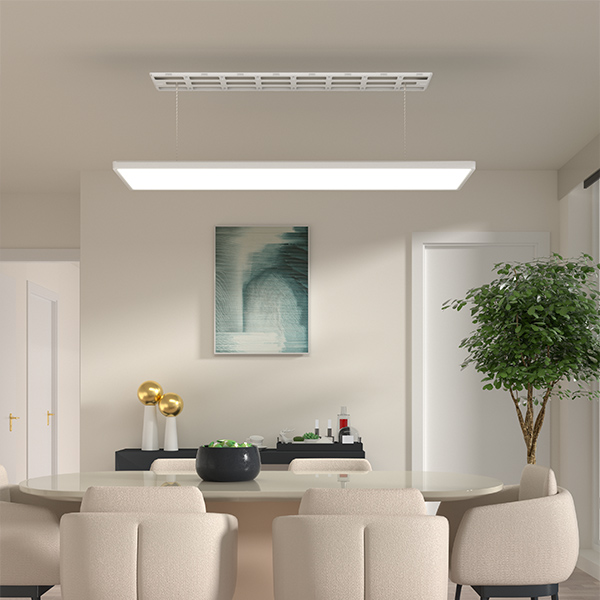
Lionway Electronics is one of China’s leading professional manufacturing companies specializing in commercial luminaires, including panel lights, floodlights, strip/line lights and industrial high bay lights. For specific applications, Lionway Electronics can design the optical system to reach a required lumen output and/or beam distribution. In addition to customized optical design,Lionway Electronics provides full photometric data in IES file format and coordinates third party testing and certification as required by consultants and specifiers. With flexibility in regards to order quantities, Lionway Electronics can supply from as few as several items up to a full container load, and after sales technical support is dealt with by experienced designers via remote communication channels.
Conclusion
Wholesale led lighting sourcing made easy from China with many advantages to a savvy buyer. Besides being able to purchase their needed procurement products for lower costs a buyer can also get them with the most advanced technology platforms that top manufacturers offer. You can verify products for CE or UL certification, check for necessary quality by doing a very detailed sample check up before actually putting the products into mass production. One would also want to have the payment process clarified in advance as well as keep constant contact with all shipping stakeholders involved in the processing to have the highest quality buying experiences. It is also paramount that a wise and savvy buyer is also buying from only engineering capable manufacturers who can offer the necessary technology and also of the best after sales services. The wise savvy buyer would want to source from the top Chinese led lighting manufacturing company, Lionway Electronics for their constant support for many industries with their wide selection of professional-grade, high quality led lights for all uses, applications and excellent after sales engineering services and support.
FAQs
What are the main certifications I should be looking for when buying LED lights from China to be able to resell them in Europe?
CE, RoHS, UL/DLC for respective markets to ensure safety and energy performance.
How do I verify a Chinese manufacturer’s credibility before placing an order?
Conducting a factory audit via a third party inspection agency such as SGS or TÜV or verifying a manufacturer’s business license on the official government database.
What is typical delivery time frame for large bulk LED lighting orders?
25 – 40 days for standard non-complex / non-customized orders.
Are there risks when shipping very large quantities of products abroad?
Yes. There are risks of damage while in transit as well as customs delays. You can mitigate these risks by requiring that your products be packed out according to a set of very detailed packaging specifications and by purchasing insurance on your merchandise while it is in transit.
How can one calculate ROI when investing in new commercial lighting?
By comparing the initial investment with the following year’s energy savings and continuing to calculate for subsequent years. ROI for new commercial lighting is typically reached within two to three years due to reduced electricity consumption as well as maintenance costs.