Building overseers and buying staff run into the same issue each time they set up a lighting refresh. They wonder if they should keep using standard LED panels or move to surface ceiling lights. The reply usually depends on factors beyond the starting price. It centers on total spending over the coming five years.
By 2026, ceiling surface lights that achieve 120lm/W or more are shifting views on business lighting. They show up as a wiser pick for the long haul in hotels, workplaces, shops, and learning centers. Below, you will find a straightforward, frank side-by-side review. It covers how they measure up to standard panel lights. This view takes in the whole scene.
The Real Cost of Lighting Isn’t Just What You Pay Upfront
Most people focus on the purchase price. But experienced facility managers know the biggest expenses show up later — in monthly electricity bills, maintenance calls, and eventual replacements. A smart lighting upgrade should pay for itself through lower running costs and fewer headaches.
Surface ceiling lights are gaining popularity because they deliver strong light output while using less energy. Many modern models now hit 120lm/W or better. That’s a noticeable improvement over older panel lights that often sit around 90–100lm/W.
Energy Savings That Add Up Quickly
Let’s look at some real numbers. Imagine you’re lighting a 10,000 square foot office or hotel floor.
- Traditional LED panels at 95lm/W might use about 1.2 watts per square foot.
- A good ceiling surfacelight at 120lm/W can bring that down to around 0.95 watts per square foot.
Over five years, that small difference can save thousands of dollars in electricity alone. When you add in easier maintenance because surface fixtures are simpler to reach and clean, the total cost picture becomes even more favorable.
One hotel chain switched their corridors and meeting rooms to ultra-slim surface lights last year. Their lighting energy bills dropped by nearly 28% in the first twelve months. The project paid for itself faster than they had planned.
Installation and Maintenance Advantages
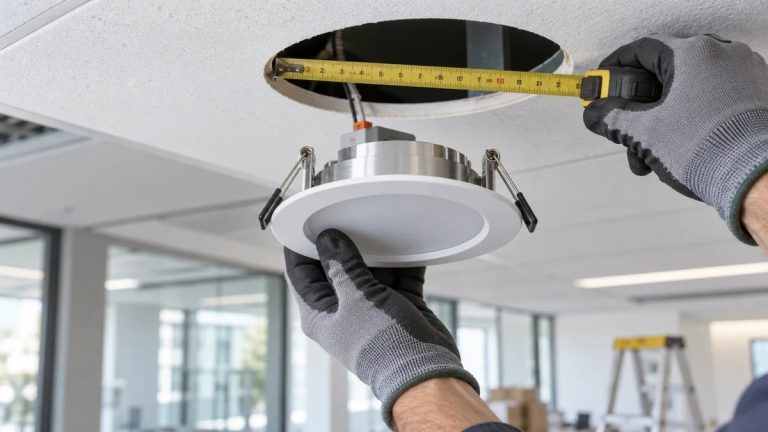
Traditional recessed panels usually require cutting large openings in the ceiling. This adds labor costs and creates a lot of mess, especially in buildings that are still in use. Surface ceiling lights install directly onto the existing ceiling, making the whole process quicker and cleaner.
Maintenance is also simpler. When it’s time to replace a driver or LED module, you don’t have to climb into the ceiling. Everything is accessible from below. For facility teams managing multiple properties, this convenience adds up to real time and labor savings.
Light Quality and Visual Comfort
Beyond the energy numbers, surface ceiling lights often provide better light distribution. Because they sit on the surface, they help reduce dark shadows that recessed panels sometimes create. Many modern designs also control glare well, which is important in offices and guest rooms where people spend long hours.
Higher color rendering and tunable white options help create more comfortable environments. Guests and employees notice the difference, even if they can’t quite explain why the space feels better.
5-Year Total Cost of Ownership Comparison
Here’s a realistic side-by-side look at typical commercial projects:
| Item | Traditional LED Panel | Ultra-Slim Ceiling Surface Light |
| Initial Cost per Fixture | Lower | Slightly higher |
| Energy Efficiency | 90–100 lm/W | 120+ lm/W |
| Installation Labor | Higher | Lower |
| Maintenance Ease | More difficult | Much easier |
| Lifespan | 50,000 hours | 60,000+ hours |
| 5-Year Energy + Maintenance | Higher | Significantly lower |
When you run the full five-year numbers, the surface ceiling light option often comes out ahead — sometimes by a wide margin.
Spotlight on High-Performance Surface Solutions
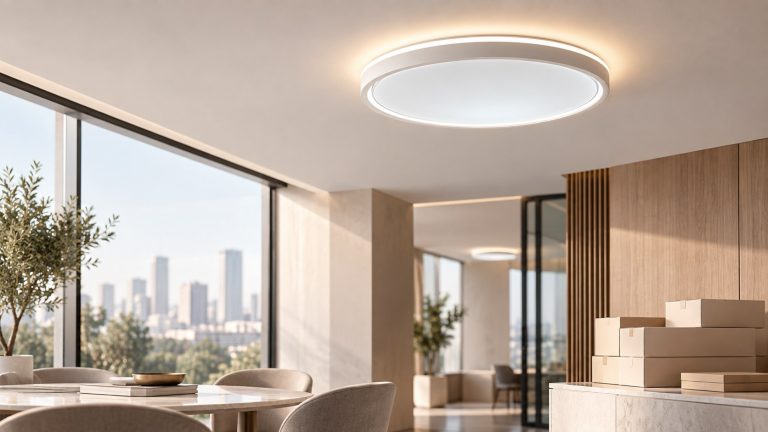
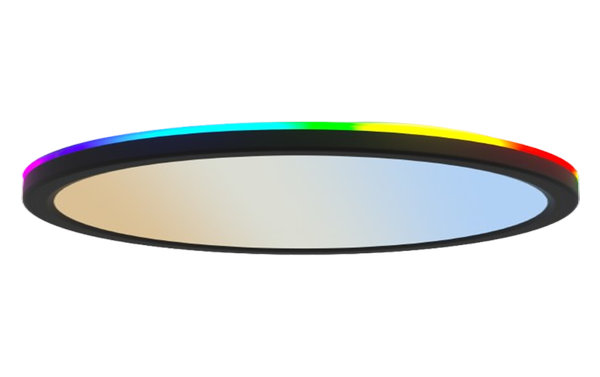
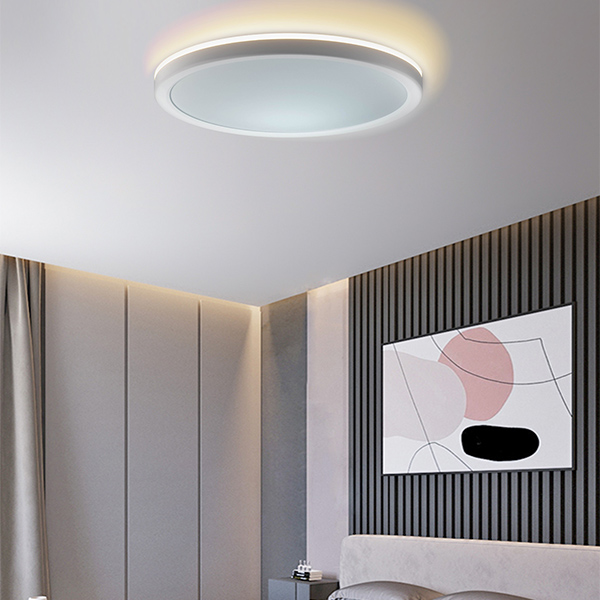
The Air Series Luna stands out as a strong performer in this category. Its ultra-slim profile delivers excellent light uniformity and efficiency while keeping a clean, minimalist appearance. Many designers like how it blends into modern interiors without drawing too much attention to the ceiling.
The combination of high efficiency, good glare control, and straightforward installation makes it a practical choice for both new construction and renovation projects.
Introducing Lionway Electronics as Your Lighting Partner
Many commercial lighting designers and facility managers look for a reliable manufacturer who understands real-world project needs. Lionway Electronics is a professional team in the lighting industry with years of experience creating high-quality LED solutions. Since 2008, they have focused on fixtures that balance performance, design, and everyday practicality.
Their Air Series, including the popular Luna model, shows this commitment to innovation and quality. Lionway continues to support designers, hotel groups, and facility teams with flexible options, reliable delivery, and practical technical assistance.
Conclusion
When weighing surface ceiling lights against standard panels, the sharp call rests on full ownership expense. It goes beyond the starting price. With better output marks like 120lm/W, simpler setup, and reduced upkeep wants, current surface ceiling lights typically bring stronger lasting worth. This holds for hotels, workplaces, and shop areas.
If you line up a lighting refresh in 2026, pause to figure the whole five-year view. The best pick can trim power tabs, ease fix-up issues, and shape finer spots. These serve the folks who fill them each day.
Such shifts pay off broadly. Buildings operate better. And users enjoy the upgrades daily.
FAQs
How much can I really save by switching to higher efficiency ceiling surface lights?
Plenty of jobs spot 20-30% slimmer power bills versus past LED panels. Toss in cut upkeep, and the full cuts over five years turn big. Managers track these gains closely. They inform future plans too.
Are surface ceiling lights suitable for offices and hotels?
Yes. Their thin shape, solid light flow, and low shine fit visitor zones and work areas great. Many sites put them to work in walkways, entry spots, and conference rooms. Results show quick wins there.
What does 120lm/W efficiency actually mean in practice?
It signals the light hands out more glow per watt of power drawn. This leads straight to smaller utility tabs. At the same time, it holds firm brightness levels. Users feel the edge in daily use.
Do surface ceiling lights look as good as recessed panels?
Fresh styles like the Luna series hug the ceiling tight. They sport clean edges. Plenty of planners say they boost the full style. They do not pull from it at all.
Is it difficult to retrofit existing spaces with ceiling surface lights?
Not really. Simple mounting on current ceilings stands as a key plus. It skips big changes. This draws them into fix-up jobs widely. Teams finish faster with less fuss.