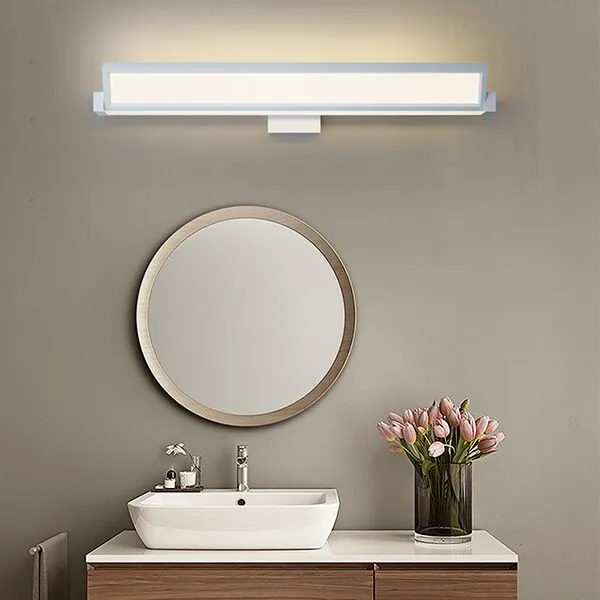
Hotel guests notice the lighting the second they step inside a room or walk down a hallway. A good wall lamp makes the whole place feel cozy and nice. A poor pick can leave everything looking dull or a bit cheap.
Hotel designers face this headache pretty often. They chase a thin, clean fixture that matches the modern vibe. Yet they still need solid brightness for reading or safe walking. Many get stuck in the middle. Choose something super slim and stylish, and the light ends up weak. Grab one that puts out plenty of brightness, and it suddenly feels chunky against the wall.
This guide digs into that common headache. It shows how fresh hotel wall lighting solutions now pull off both thin looks and decent punch. No need to settle for just one anymore.
The Everyday Dilemma in Hotel Lighting Projects
Picture yourself finishing up the sconces for a boutique hotel refresh. The designer wants pieces no thicker than an inch to keep the simple, open feel. Housekeeping asks for enough glow so guests can read comfortably in bed. Maintenance hopes for fixtures that wipe down easy and sip power. Procurement wants something that lasts years to hold costs steady.
Too many times, one request kills the other. A nice thin wall lamp might only kick out 300 to 400 lumens. That works okay for soft mood lighting but falls flat for real tasks. A brighter unit can reach 800 lumens or higher, but it juts out a few inches and messes up the smooth wall lines.
This back-and-forth shows up in almost every mid-level or fancy hotel project we’ve seen. Hallways need steady light along the walls so the space feels safe and roomy. Bedside wall lamps should give decent reading light without bouncing glare onto pillows or phone screens. Vanity areas need true colors so skin tones and makeup look natural.
The bright side? LED advances have shrunk that gap quite a bit. Side-light light guide plate setups really stand out.
Why Slimness Matters More Than Ever in Modern Hotels
Travelers today want calm spaces without clutter. Thick fixtures that poke out ruin that relaxed mood. They catch dust quicker and turn cleaning into a chore. In tight hallways, they can make the area feel narrower than it is.
Slim shapes fix a lot of those issues. When a fixture stays under an inch thick, it hugs the wall almost flat. The look turns light and upscale. It also leaves more room for pictures or mirrors, which counts in smaller guest rooms.
Slim by itself isn’t enough, though. The light still has to pull its weight. Older skinny designs often waste efficiency. They create hot patches in some spots and shadows in others. Or the total brightness just feels too low for daily use.
How Side-Light LGP Technology Changes the Game
Side-light light guide plate tech brings a solid step up for hotel wall lighting solutions. It feeds light in from the edges into a clever panel instead of placing LEDs straight behind the front. That old way needed extra room for heat, which forced thicker bodies.
The result stays pretty simple. Fixtures can stay really thin. Some rank among the skinniest out there. Still, they spread soft, even light with low glare. Guests get pleasant illumination without bright spots or tired eyes.
In everyday setups, a wall lamp barely an inch deep can put out 650 to 900 lumens in a compact body. That amount handles bedside reading or hallway accents just fine. It adds useful brightness without stealing attention from the room’s clean style.
Key Factors to Evaluate When Choosing Hotel Wall Lamps
When you size up different choices, look past the glossy talk and check the real numbers. Focus on these details:
- Profile Thickness: Go for under 1.2 inches to hold onto that fresh, modern appeal.
- Lumen Output vs. Wattage: Target 70 to 90 lumens per watt. A 10- or 15-watt piece should still deliver good output in a warm 3000K shade.
- Color Rendering (CRI): Shoot for at least 90. Anything lower makes fabrics and wood look flat.
- Light Distribution: Even coverage with gentle up or down direction keeps shadows off faces and books.
- Glare Control: Keep the Unified Glare Rating below 19 so the light stays easy on the eyes for long stays.
- Durability Features: Solid aluminum helps manage heat. Sealed surfaces speed up daily wipes. Dimming capability lets you adjust for different times.
Here’s a straightforward comparison of typical performance:
| Requirement | Basic Slim Wall Lamp | Balanced High-Performance Option | Traditional Bulky Bright Lamp |
| Thickness | Under 1 inch | 0.8–1.1 inches | 2.5–4 inches |
| Lumen Output (approx.) | 300–500 lm | 650–950 lm | 800–1500 lm |
| Efficacy | 60–75 lm/W | 80–95 lm/W | 70–85 lm/W |
| Visual Impact on Wall | Very good | Very good | Not great |
| Reading/Task Suitability | Just okay | Strong | Very strong |
| Energy Cost Over 5 Years | Higher | Lower | Moderate |
Jobs that hit the middle column usually give the smartest mix of looks and real function. Guests pick up on light quality more than raw numbers most of the time.
Practical Tips for Specifying Wall Lamps in Hotels
Start with layers of light. Use wall lamps for vertical glow and atmosphere. Pair them with recessed ceiling pieces for overall coverage. In corridors, space them 8 to 10 feet apart at about 5.5 feet high. That builds a gentle, steady rhythm.
In guest rooms, look for models you can tweak a little. Bedside wall lamps can tilt just enough for reading without shining straight into eyes. Warm tones from 2700K to 3000K feel relaxing in seating spots. A cooler 4000K suits bathrooms or vanities better.
Don’t overlook daily upkeep. Pick designs with few exposed screws and smooth faces. Hotels that stick to one or two fixture families across the whole place cut spare parts and training time.
Rules on energy keep tightening. Thin fixtures that still run efficiently help meet those standards. They also trim running costs over the years—sometimes by a decent chunk across the full building.
Real-World Impact on Guest Experience
One hotel refresh swapped heavy old sconces for super-thin models using advanced light guide tech. Complaints about dim hallway spots dropped fast. Power use fell more than 40 percent too. Guests said the areas felt bright yet still peaceful. Housekeeping noticed dust had fewer places to settle.
Little wins like that add up. They boost guest scores and smooth out daily work for a long time.
Introducing Lionway Electronics
Lionway Electronics got its start back in 2008. The team has turned into a reliable name in the lighting field. They specialize in LED product design, mold work, and precise manufacturing. The company carries ISO 9001 and ISO 14001 certifications along with several major international nods.
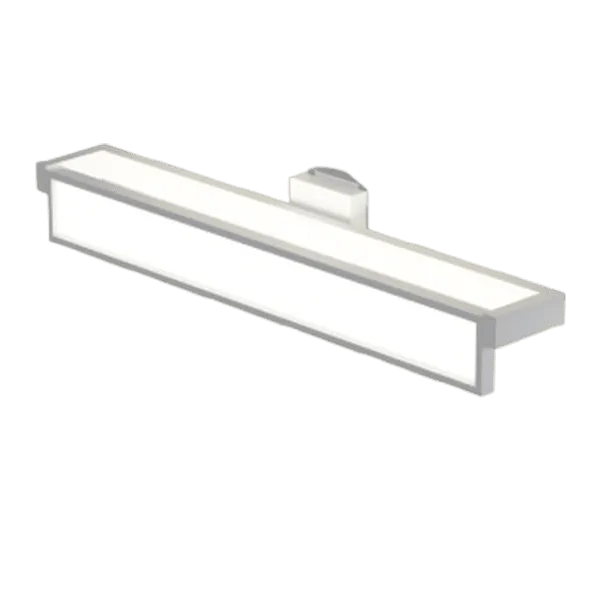
Their own workshops let them build custom fits for exact hotel needs. The Genius Series shows that focus well. It offers some of the thinnest LED wall lamps you’ll find while still giving meaningful light output and soft, low-glare performance.
Conclusion
The old trade-off between thin style and enough brightness doesn’t have to hurt so much now. Thanks to clever engineering like side-light light guide plate tech, today’s hotel wall lighting solutions let teams create sharp spaces that actually deliver. The fixtures fade nicely into the background yet still supply the light needed for comfort, safety, and regular use.
When you check options, trust the actual specs more than pretty images. Test real samples in a mock room if you can. That small extra step usually brings better guest feedback and fewer headaches later.
Thinking about refreshing the wall lamps at your property? Search for pieces that tackle the thin-versus-bright puzzle straight on instead of forcing a single choice.
FAQs
What lumen output should I look for in hotel bedside wall lamps?
For easy reading without harsh glare, aim for 650 to 850 lumens in a warm color tone. That sweet spot gives plenty of light for books or tablets while the room stays inviting instead of too harsh.
Can slim wall lamps really deliver enough brightness for corridor hotel wall lighting solutions?
They definitely can. Newer setups with side-light technology spread even light in profiles thinner than an inch. Lots of hotels use them in hallways now. The outcome is steady vertical glow that makes the space feel wider and safer.
How do I balance aesthetic slimness with durability in high-traffic hotel environments?
Choose aluminum bodies with solid heat control and sealed fronts. The tougher options mix thin shapes with sturdy build. They handle regular cleaning and the odd bump while keeping the light consistent year after year.
Are there hotel wall lighting solutions that support dimming for different times of day?
Most solid LED wall lamps handle smooth dimming these days. You can brighten things up in the morning for staff and soften them in the evening so guests relax easier.
What makes the Genius Series stand out for hotel applications?
It pulls off an ultra-thin profile with even, gentle light and low glare. Designers appreciate how it keeps strong output in a clean form that fits modern rooms without overpowering the walls.